
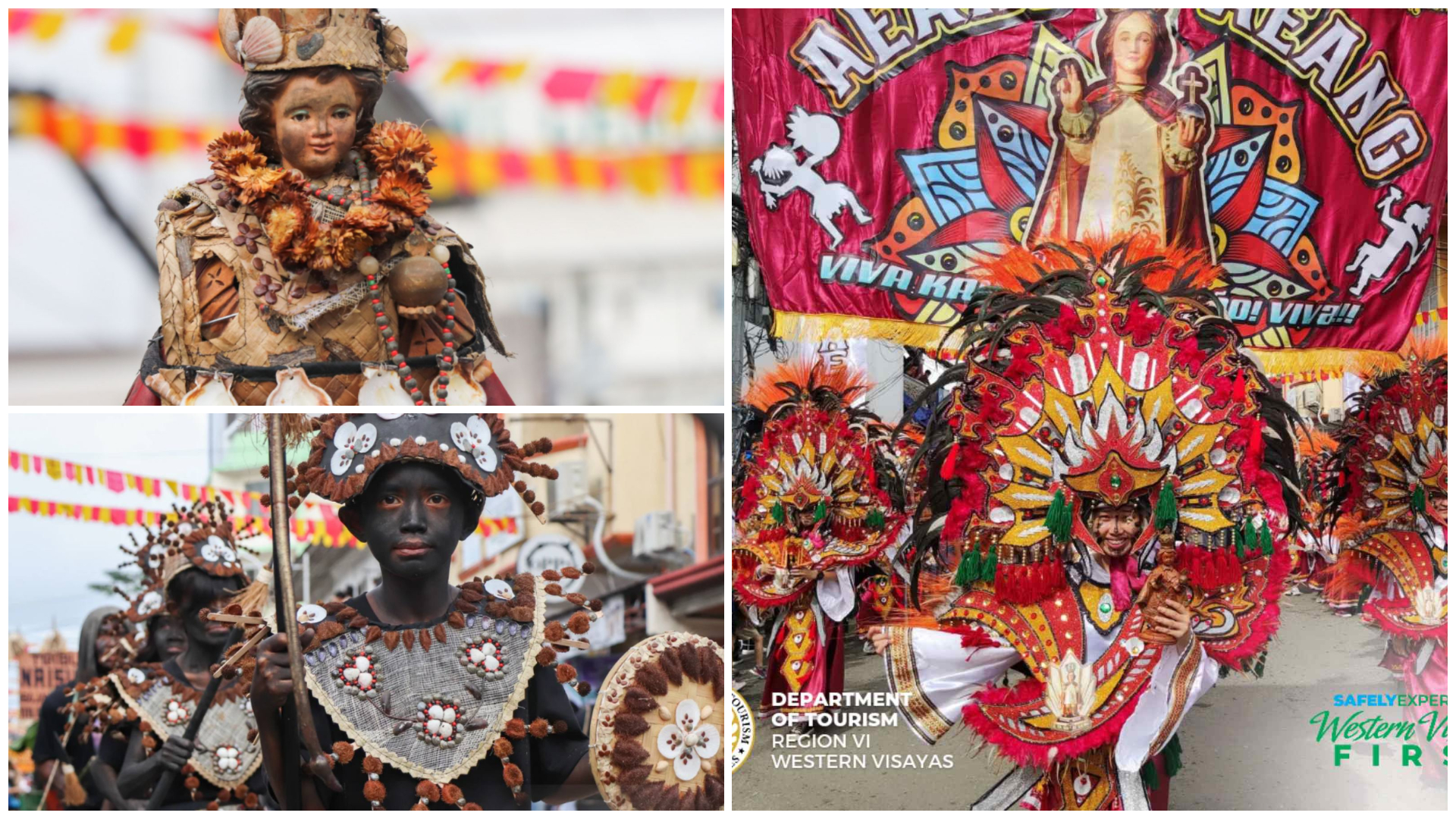
Every January, Kalibo, Aklan turns into a living stage of faith, history, and movement. From January 10 to 18, 2026, the Ati-Atihan Festival once again brings together locals, pilgrims, and travelers for days of street dancing, devotion, and shared celebration in honor of the Señor Santo Niño and the Ati people of Panay.
Roots of the Celebration
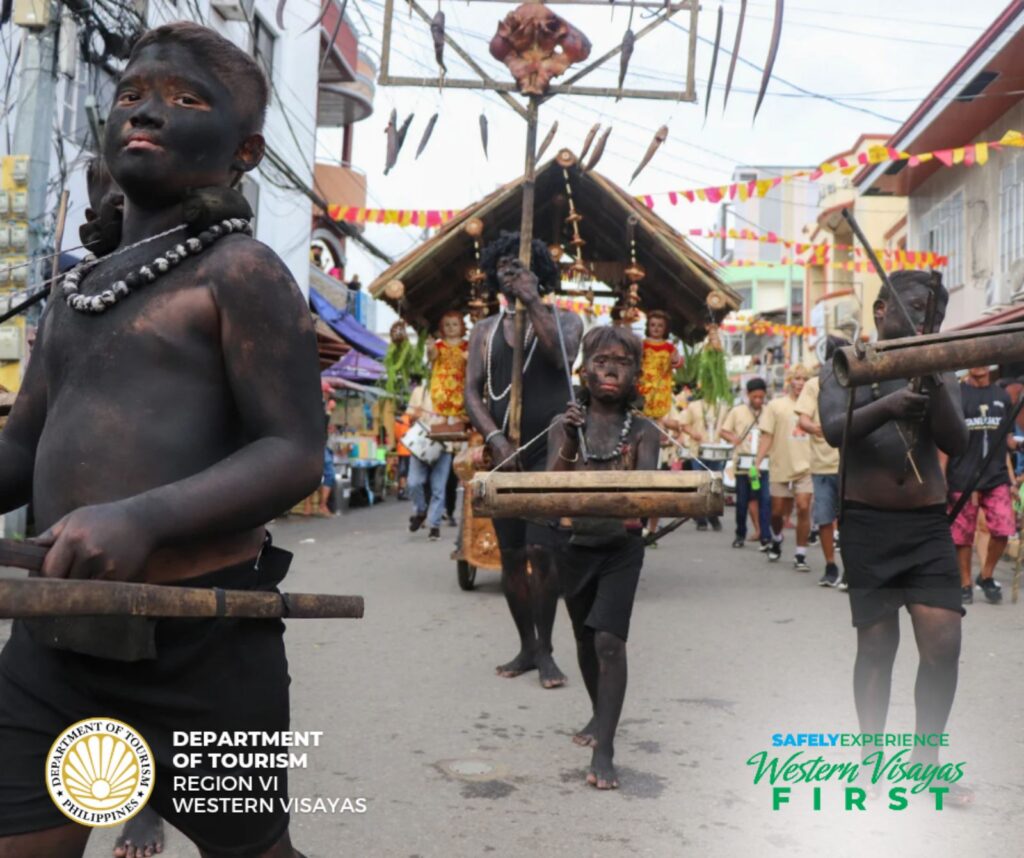
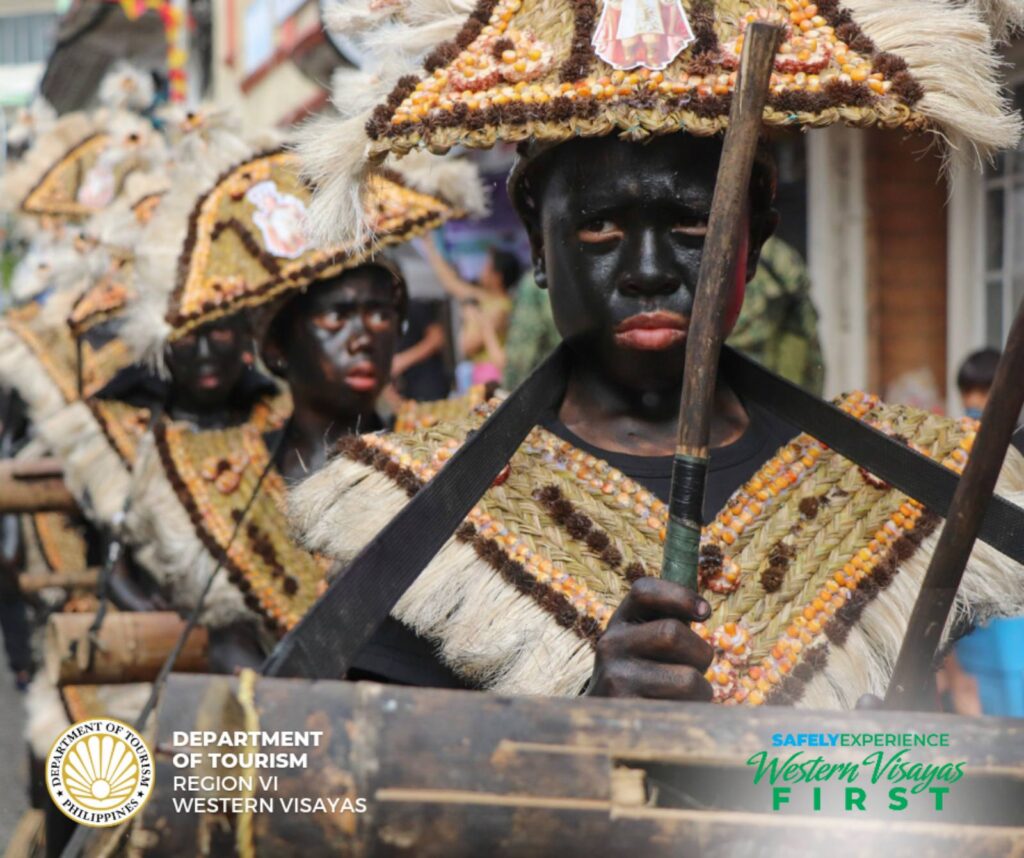
Ati-Atihan began in 1212 after the Barter of Panay, when Malay settlers honored the Ati by painting their skin dark and dancing with them. Centuries later, Spanish missionaries added devotion to the Santo Niño. These two traditions remain inseparable, making Ati-Atihan both a cultural remembrance and a religious act that has lasted for more than 800 years.
The Meaning Behind the Music and Paint
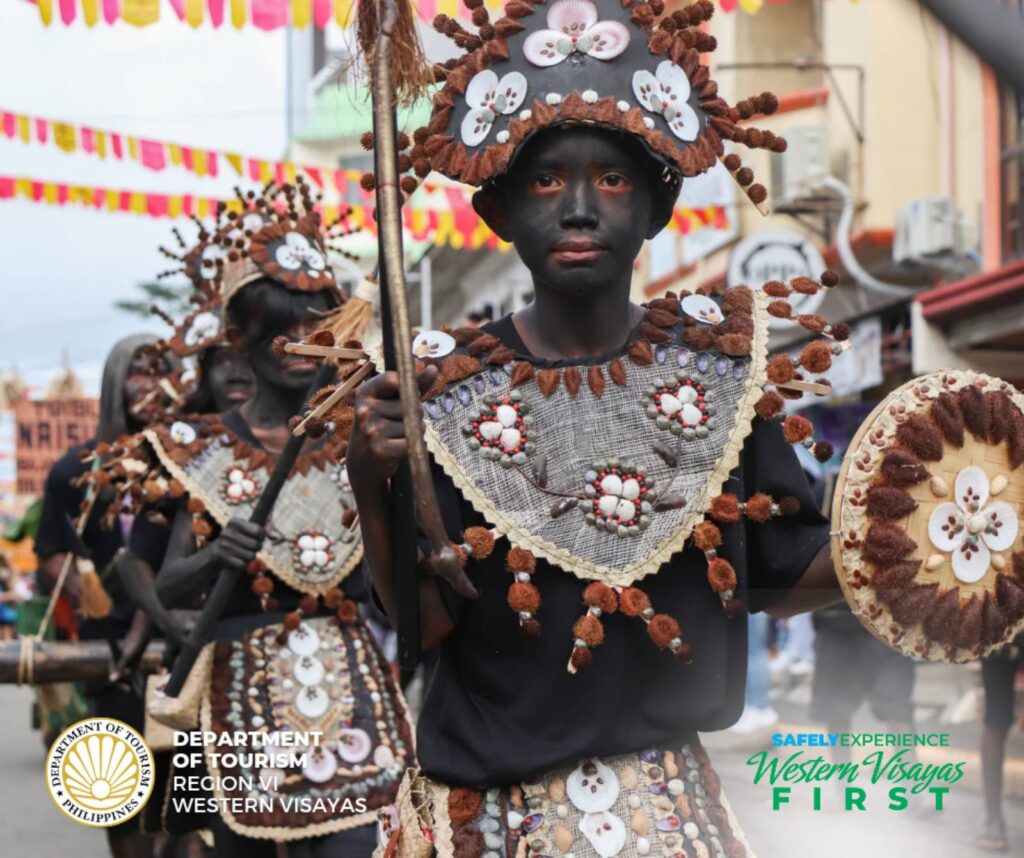
The blackened faces, tribal patterns, and loud drumbeats are acts of respect, not disguise. Participants dress and dance to remember the Ati as the first people of Panay. Every step and beat reflects unity, humility, and gratitude, values that continue to define the festival today.
Calendar of Events in 2026

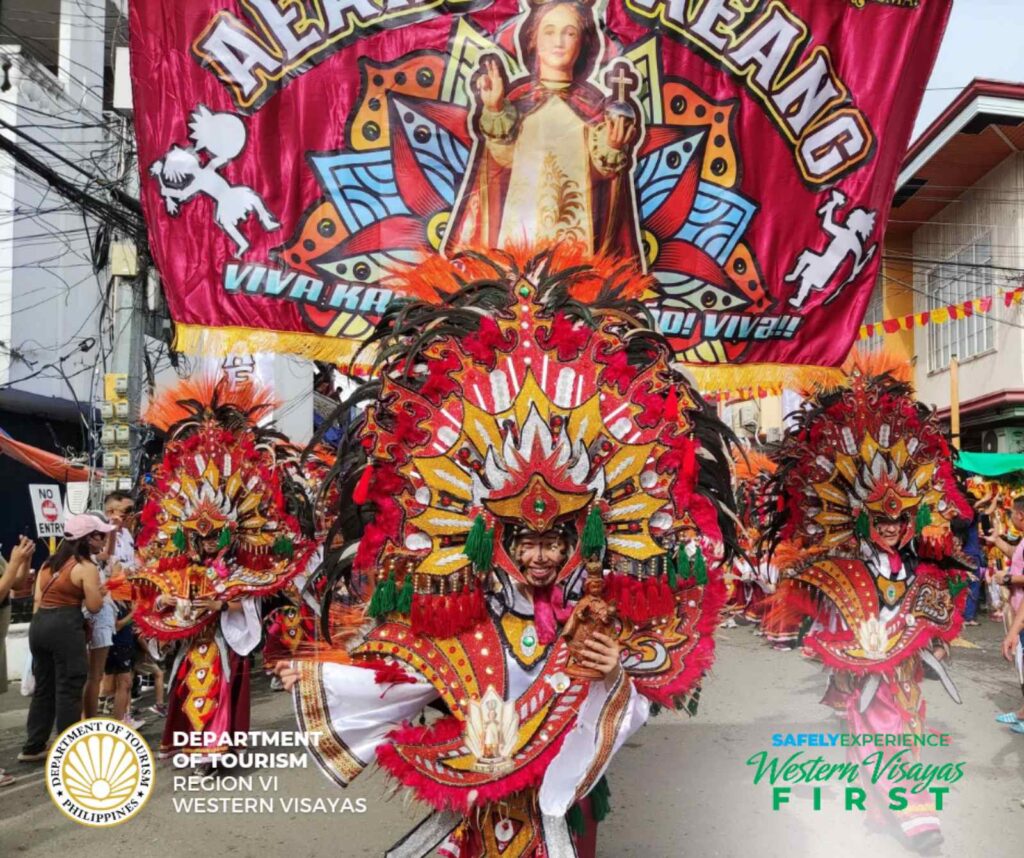
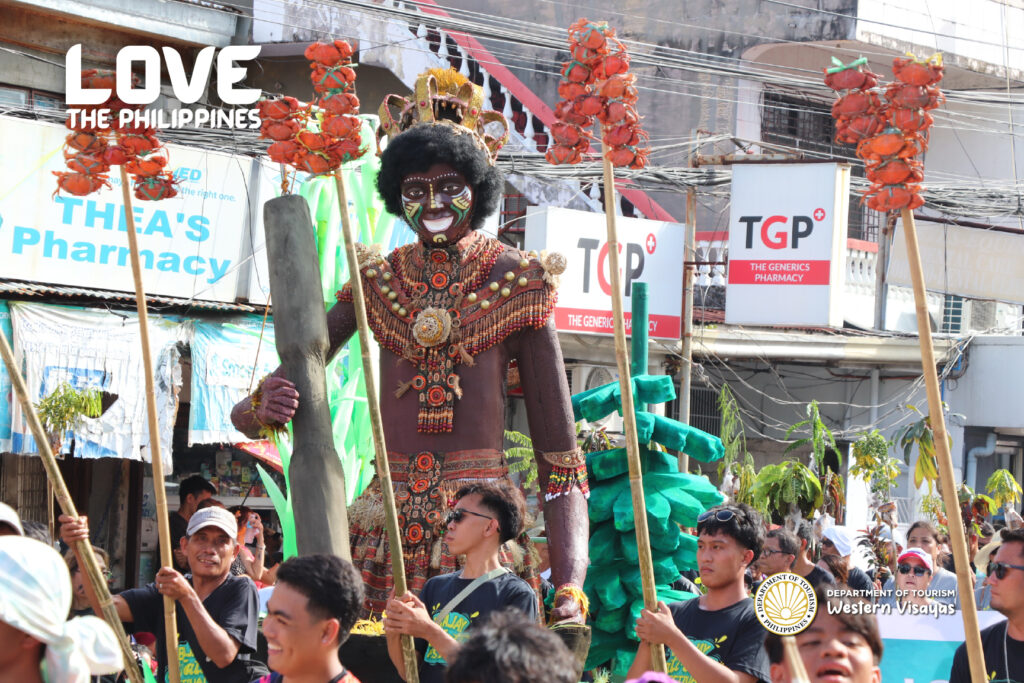
Festivities officially open on January 10 with cultural launches and community visits. The days that follow feature art shows, band competitions, the Higante Parade, and the Barter of Panay reenactment. The peak comes on January 17 and 18 with open street dancing, religious rites, and the grand sadsad competitions that fill Kalibo’s main roads.
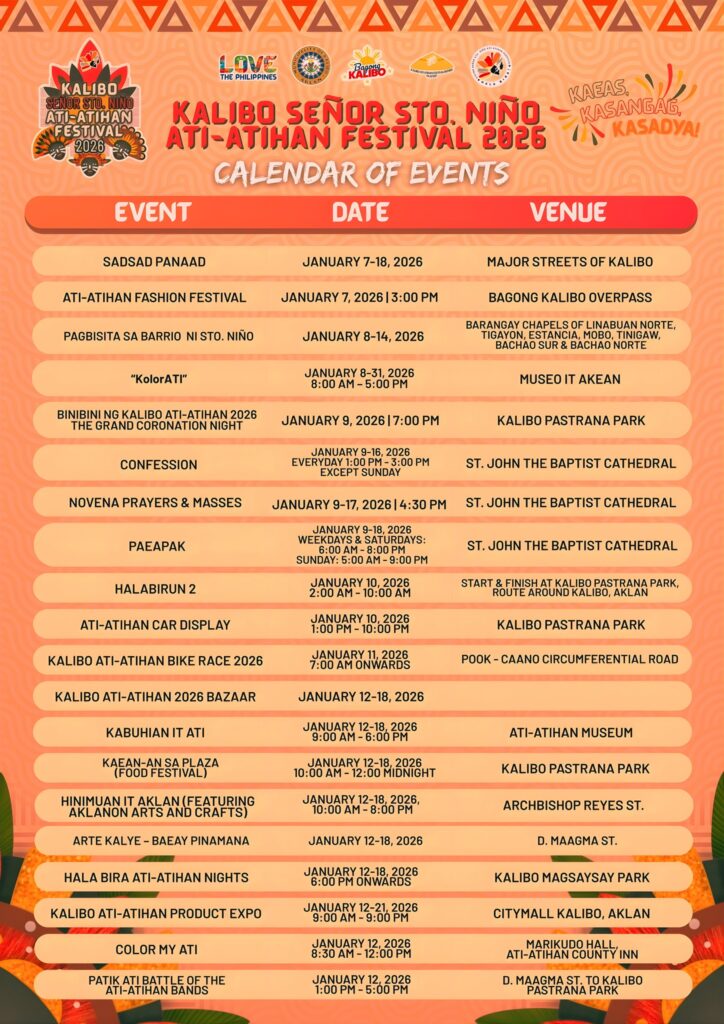
Sadsad and Street Dancing
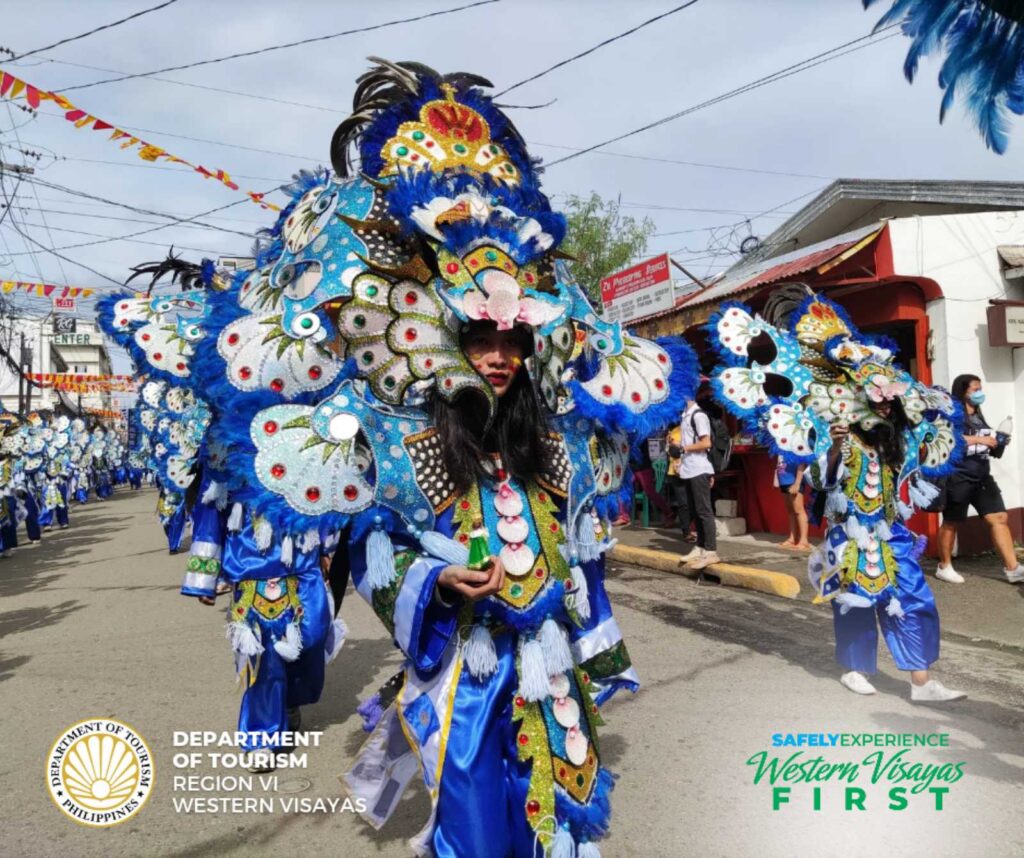
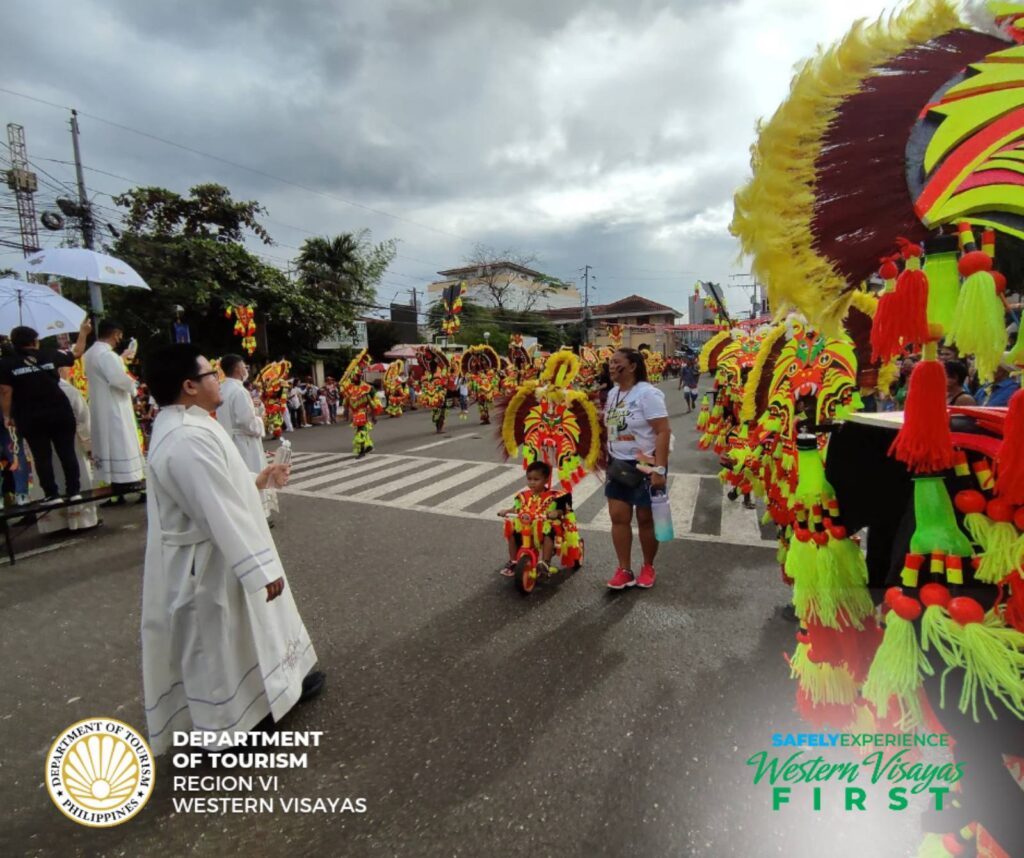
Sadsad is the heart of Ati-Atihan. Dancers move through the streets in steady rhythm, guided by drums and chants. There is no fixed stage. Everyone becomes part of the flow, whether performer or onlooker. Organized tribes compete in different categories, blending tradition with modern creativity while keeping the spirit intact.
Faith at the Center
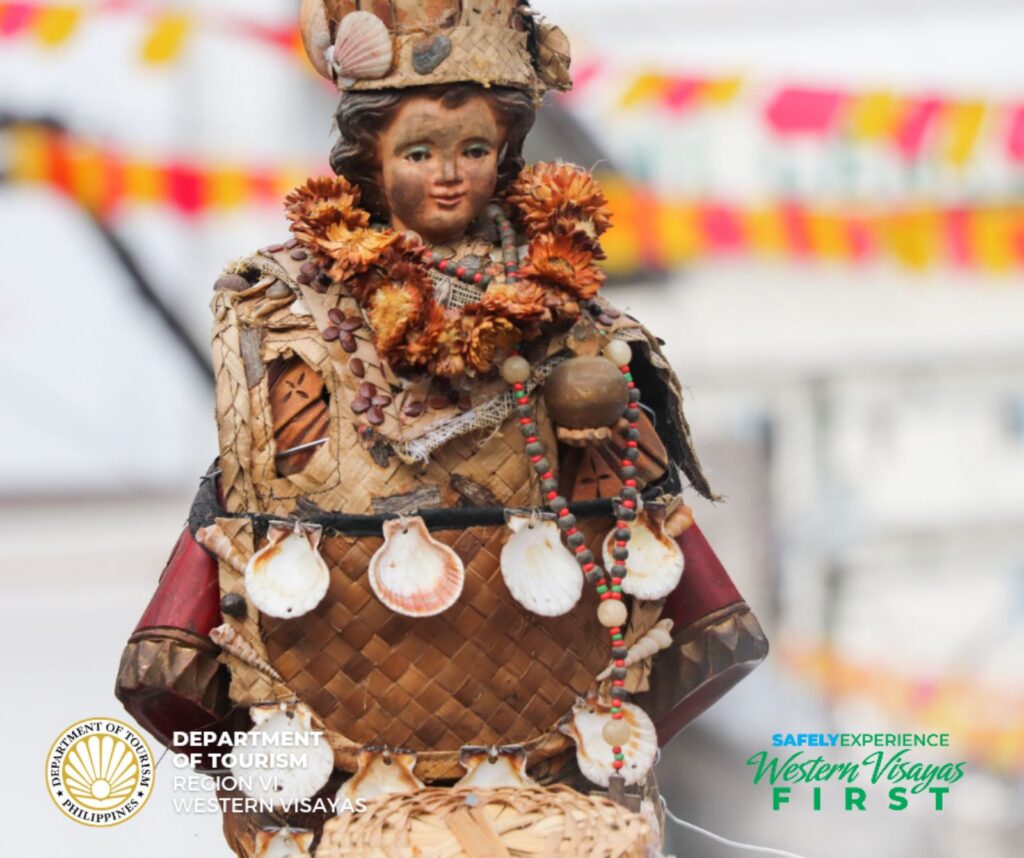
Beyond the noise and color, Ati-Atihan is a deep act of devotion. Daily novena masses lead to the Dawn Penitential Procession and the final grand procession on Sunday. Devotees walk barefoot, carry images of the Santo Niño, and pray as one community, turning the town into a place of shared faith.
Boracay and Kalibo Connection
For travelers in Boracay, Kalibo is only a short boat and land trip away. Many visitors plan beach stays around the festival dates to experience both island leisure and cultural immersion. Boracay also holds smaller Ati-Atihan-inspired activities, linking the island to its Panay roots.
Conclusion: More Than a Festival
Ati-Atihan is not just an event to watch. It is an experience to enter, shaped by history, belief, and community. In 2026, Kalibo once again invites the country and the world to dance, pray, and remember where the story began.