
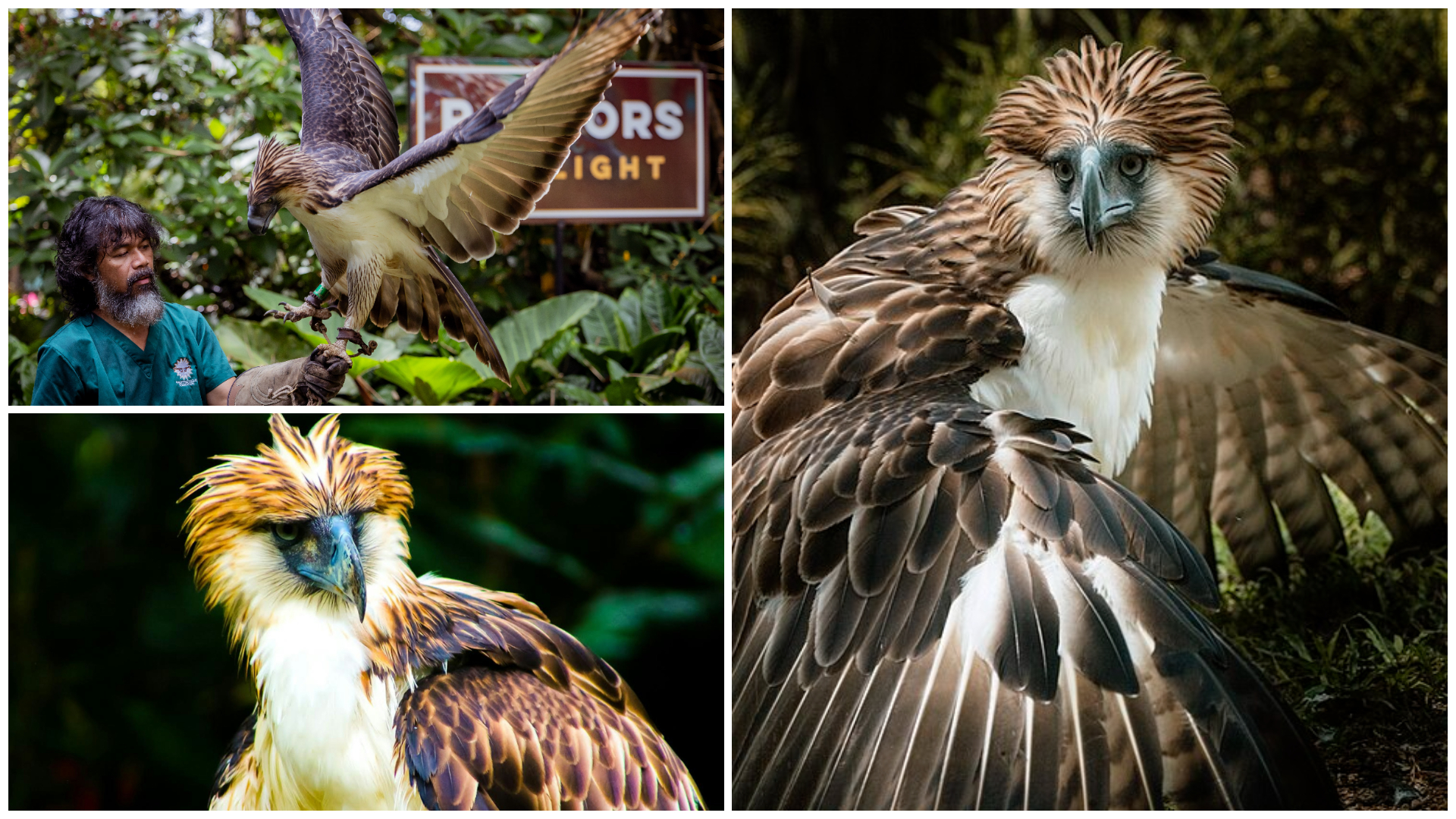
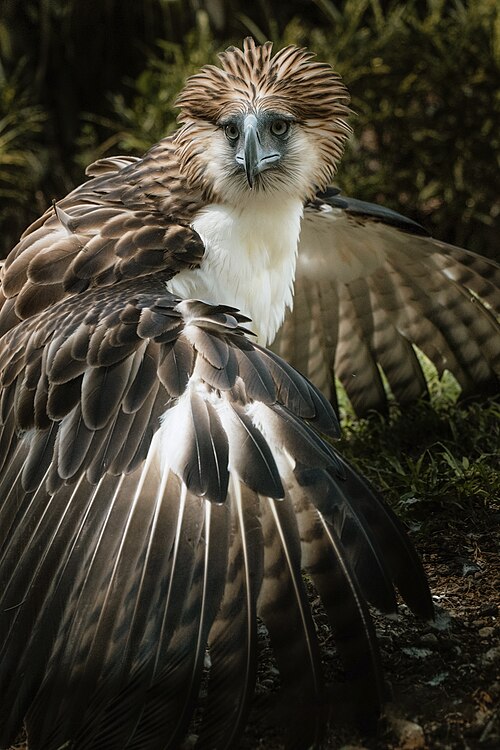
The Philippine eagle, the country’s national bird, is facing a future that grows more uncertain each year. Conservation experts warn that without urgent action, this forest giant could disappear within the next 50 to 80 years. Read on to understand why the fate of this iconic species now hangs in the balance.
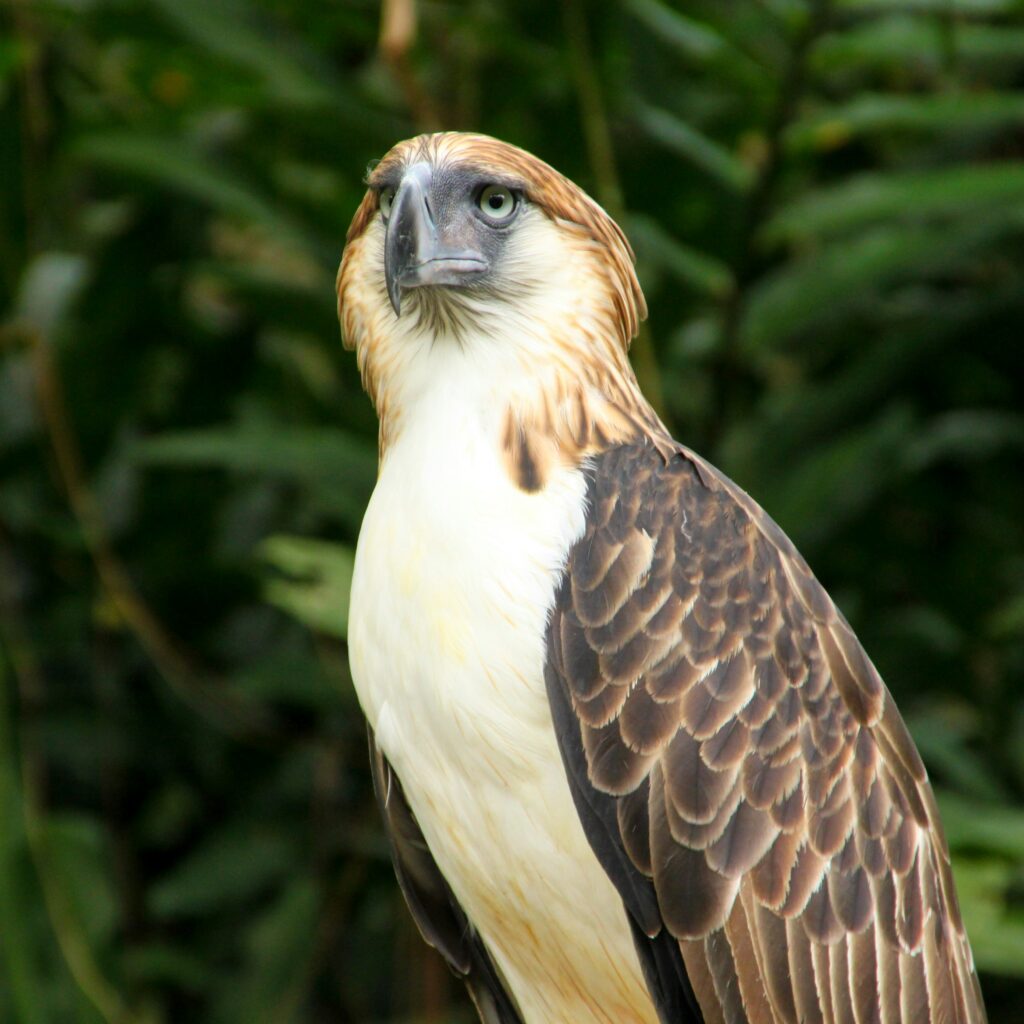
Numbers That Tell a Grim Story
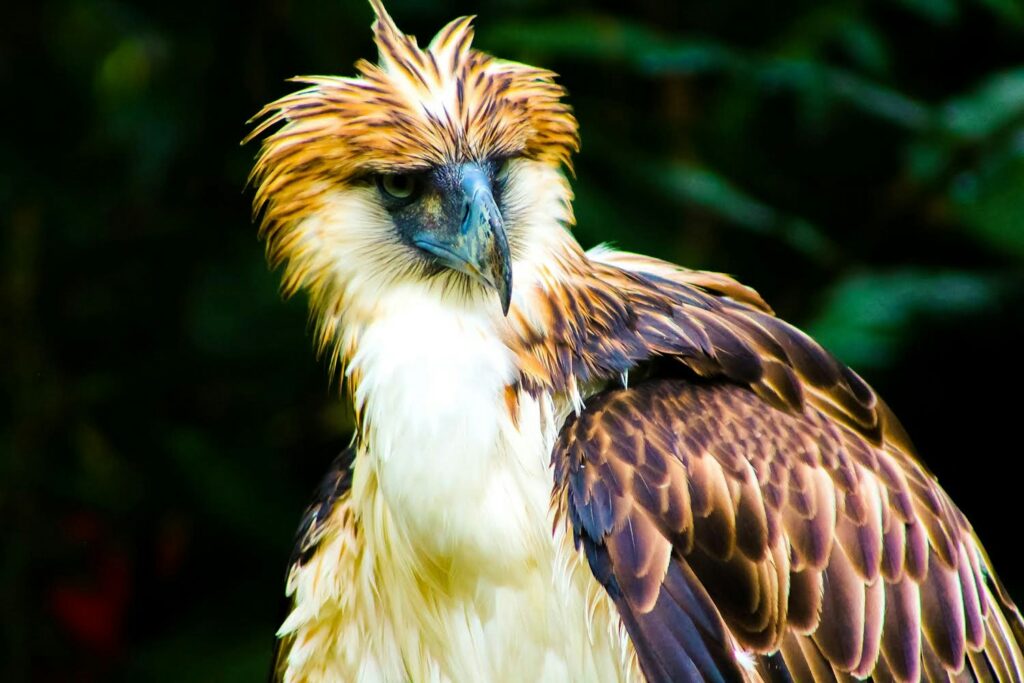
Recent studies by the Philippine Eagle Foundation show that only about 392 breeding pairs remain in the wild. This is a sharp drop from the early 1900s, when the species soared across most of the archipelago. Today, eagles survive only in fragmented forests in Luzon, Samar, Leyte, and Mindanao.
Young Eagles at Risk
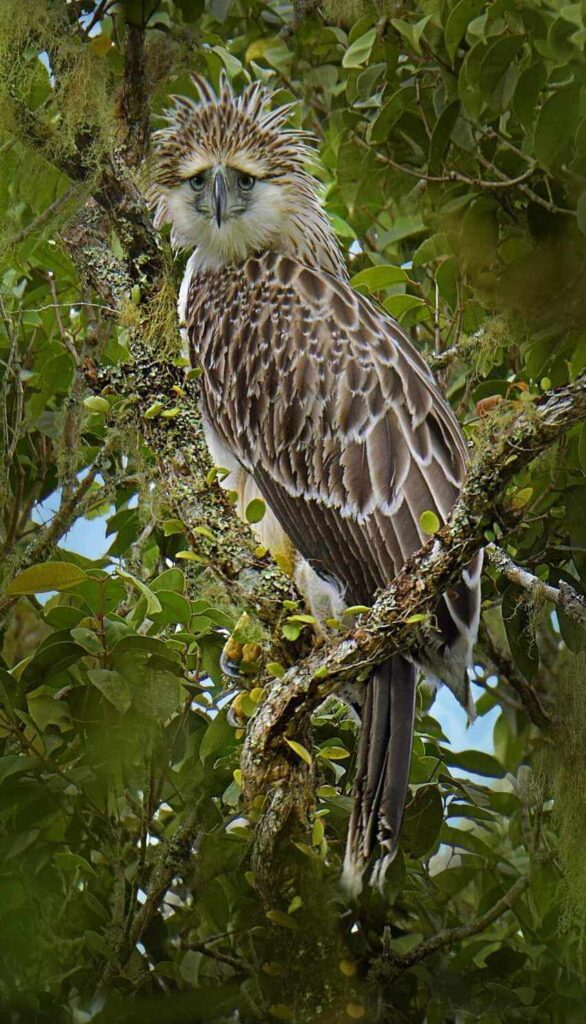
Juvenile and sub-adult eagles are the most vulnerable to hunting, shooting, and trapping. Experts say the loss of young birds is especially alarming because the species breeds slowly. A steady decline in the youth population could trigger a drastic collapse within decades.
A Forest Too Small to Share
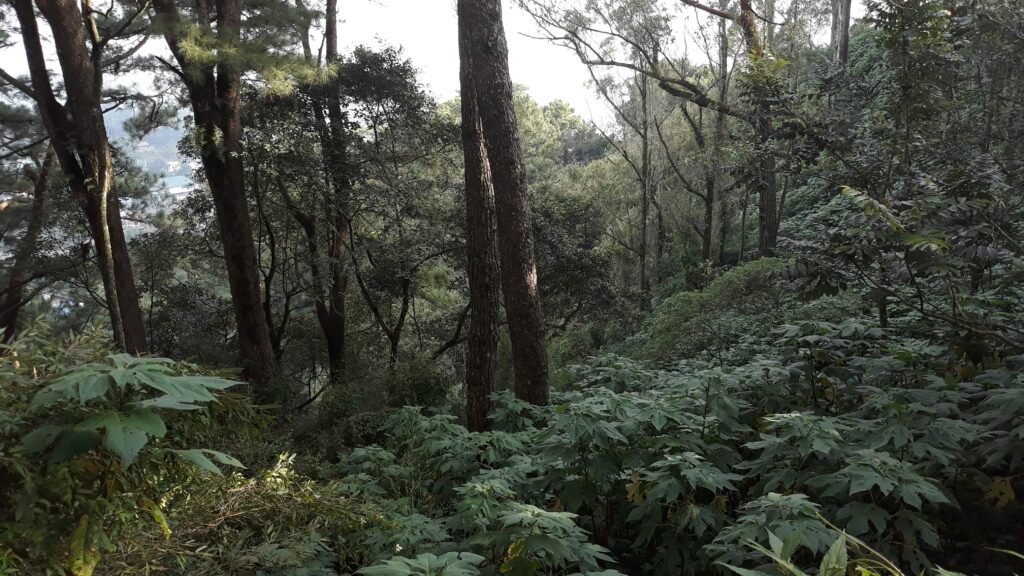
Each Philippine eagle needs a vast territory to hunt and raise a chick, often over 100 square kilometers. Large areas of lowland forest have already been cleared, forcing the birds higher into mountain slopes. As roads, farms, and settlements follow, safe nesting areas continue to shrink.
Deforestation on Many Fronts
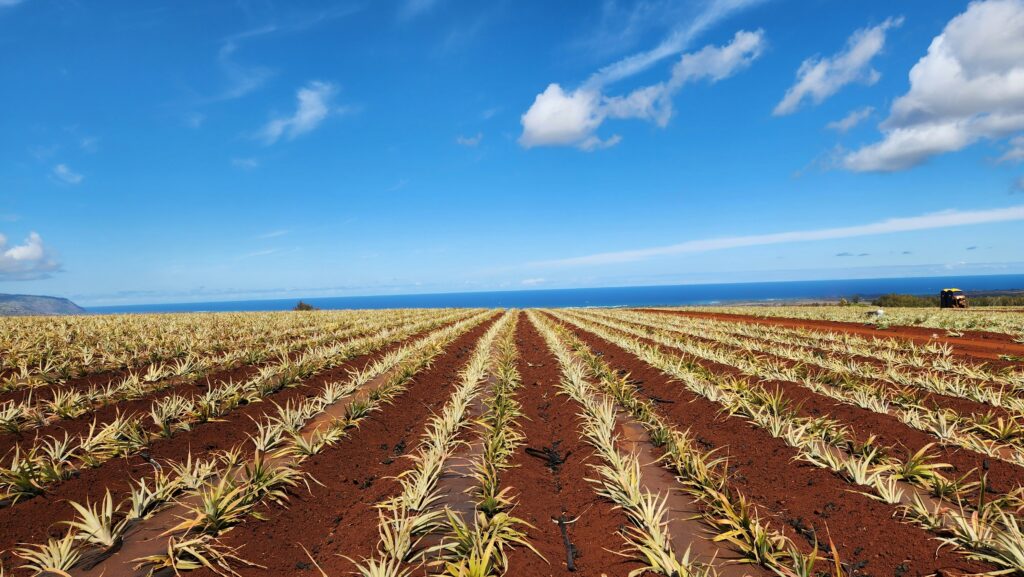
Logging, mining, and the spread of banana, pineapple, and palm oil plantations have eaten away at eagle habitat. Nearly 80 percent of the country’s rainforests have been lost since the 1970s. Forest fragmentation now stands as one of the biggest threats to the species’ survival.
Climate Change Adds Pressure
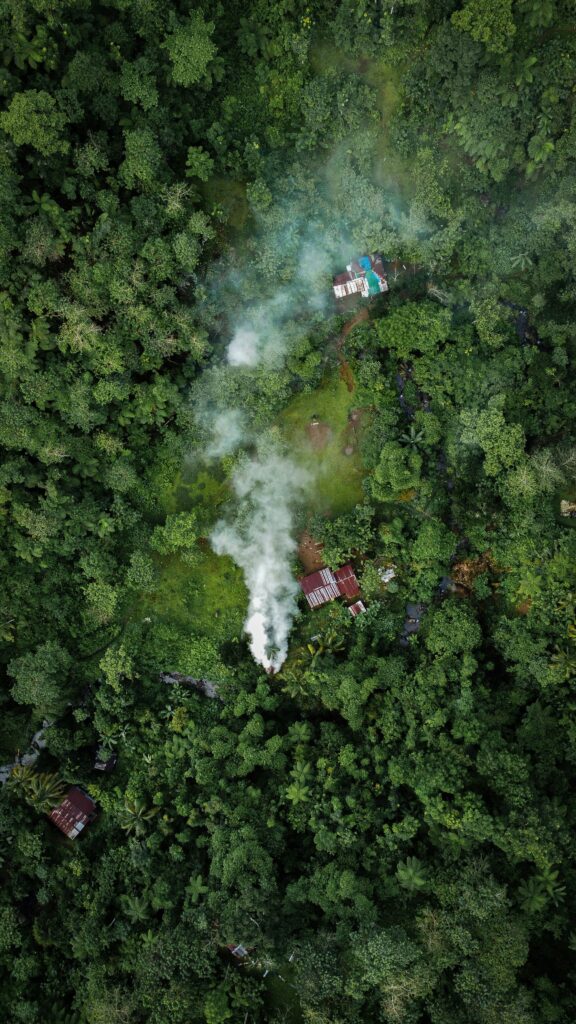
Stronger typhoons and shifting weather patterns are damaging what little forest remains. While large forests can recover from storms, small and isolated patches often cannot. For a bird that depends on intact landscapes, this damage can be fatal.
Communities as Frontline Defenders
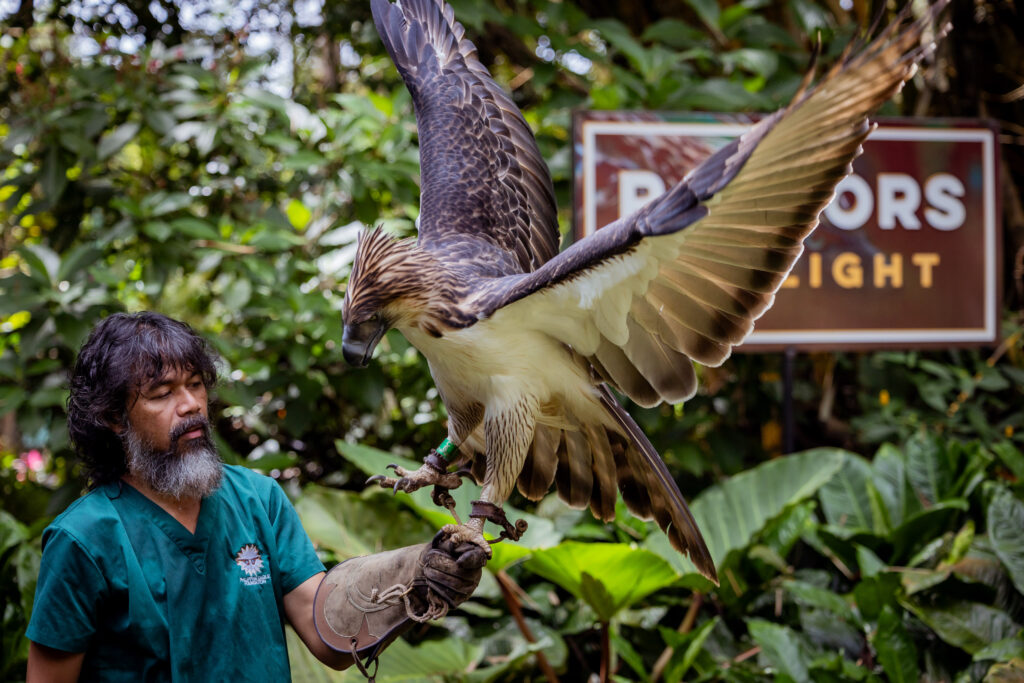
Indigenous groups around Mount Apo and nearby ranges play a growing role in conservation. Through forest guard programs, locals now patrol thousands of hectares and help curb illegal activities. In areas with active protection, eagles are breeding more safely.
The Philippine eagle is an umbrella species, meaning its protection also safeguards countless other plants and animals. Saving its habitat helps preserve watersheds, wildlife, and the livelihoods of nearby communities. Protecting the eagle is not just about one bird, but about the future of entire ecosystems.
A Race Against Time
Conservationists stress that action taken today will decide whether future generations will still see the eagle in the wild. Stronger forest protection, community support, and enforcement of environmental laws remain key. Without them, the skies may one day fall silent.