
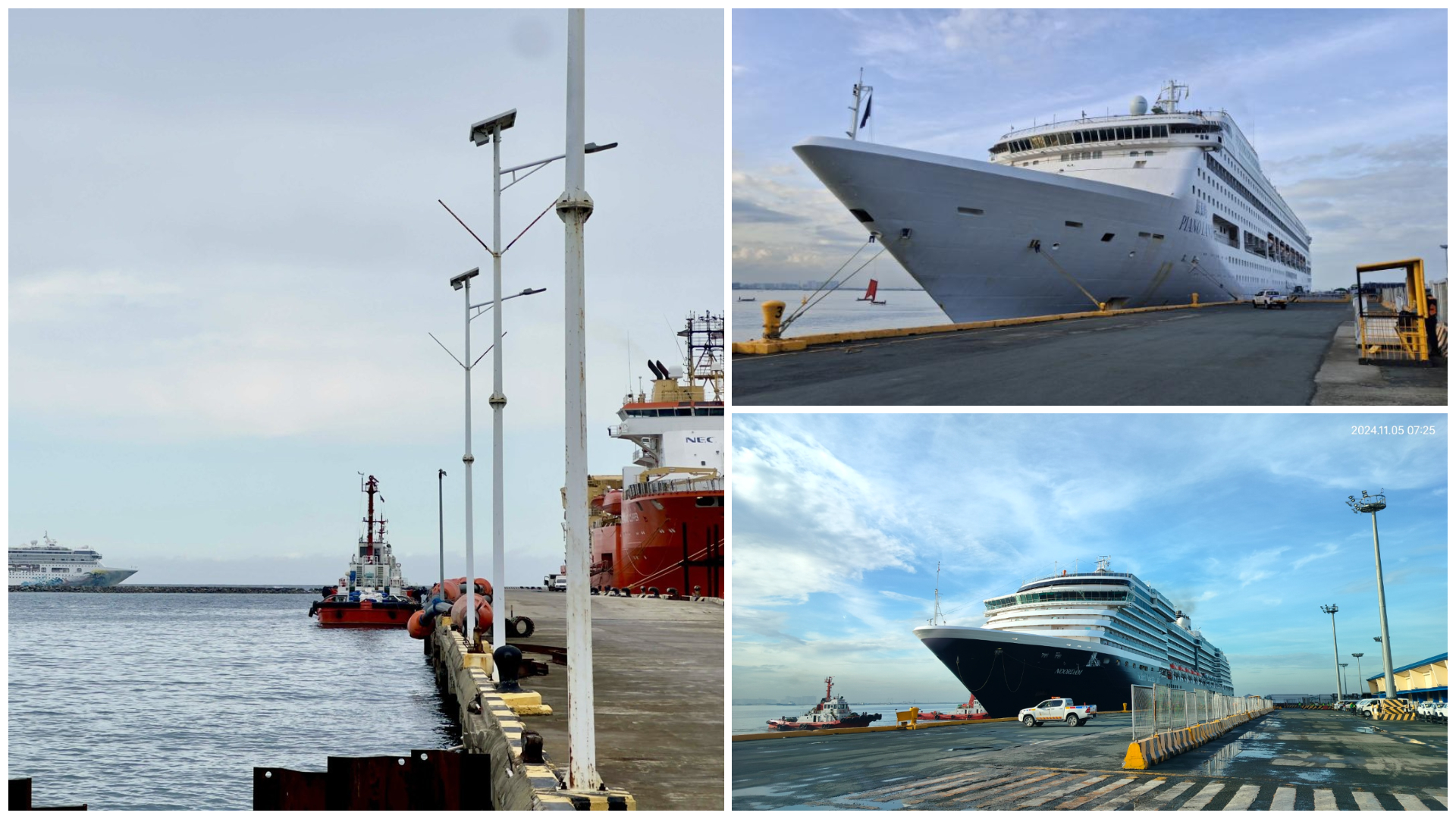
A bold new development is quietly taking shape along the shores of Manila Bay, one that could redefine how the Philippines welcomes cruise travelers. Behind the scenes, port planners are preparing for a facility designed not just for docking ships, but for creating experiences. The plan signals a shift in how the country views cruise tourism as an economic driver.

Designed for Big-Spending Visitors
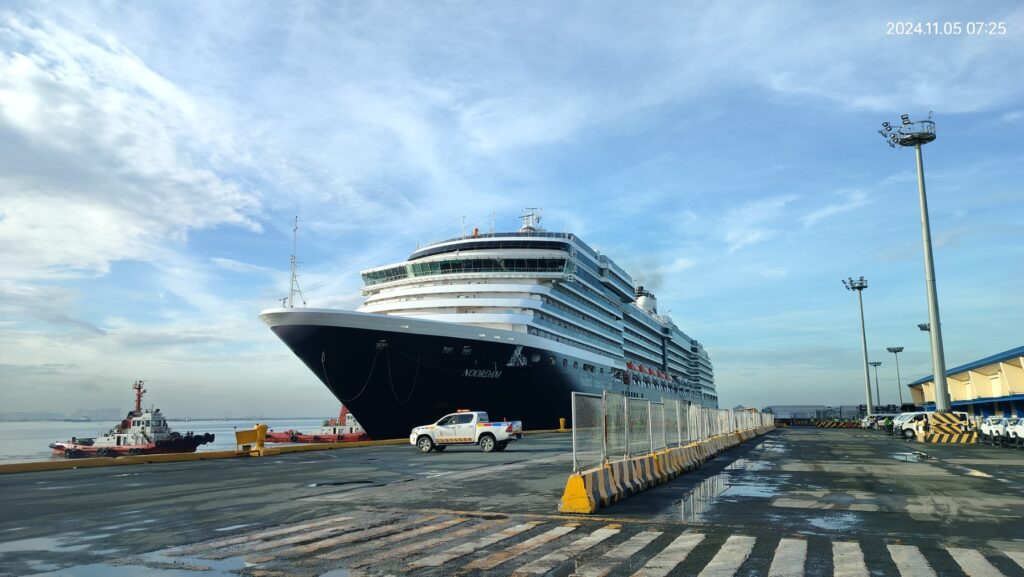
The Philippine Ports Authority has allocated P5 billion for a permanent international cruise terminal aimed at attracting high-spending tourists. The project focuses on providing modern amenities and curated leisure spaces within the port area. The goal is to turn short cruise stops into meaningful and revenue-generating visits.
PPA general manager Jay Santiago has pointed to Hong Kong’s Ocean Terminal as a key influence for the project. That port combines cruise operations with shopping, dining, and leisure in one complex. Manila’s version is envisioned to offer a similar all-in-one environment tailored to local culture.
Searching for the Right Location
Authorities are now scouting for a suitable site along Manila Bay to anchor the development. Santiago said government-owned land, including possible properties from the Philippine Reclamation Authority, could host the terminal. Around two hectares are being eyed to support both port and tourism facilities.
Replacing a Crowded Pier
Once completed, the new terminal will take over cruise operations currently handled at Pier 15 in the Port of Manila. Today, the pier is shared by cruise ships, cargo operations, and the Philippine Coast Guard. The setup limits the ability to give cruise passengers a seamless and welcoming experience.
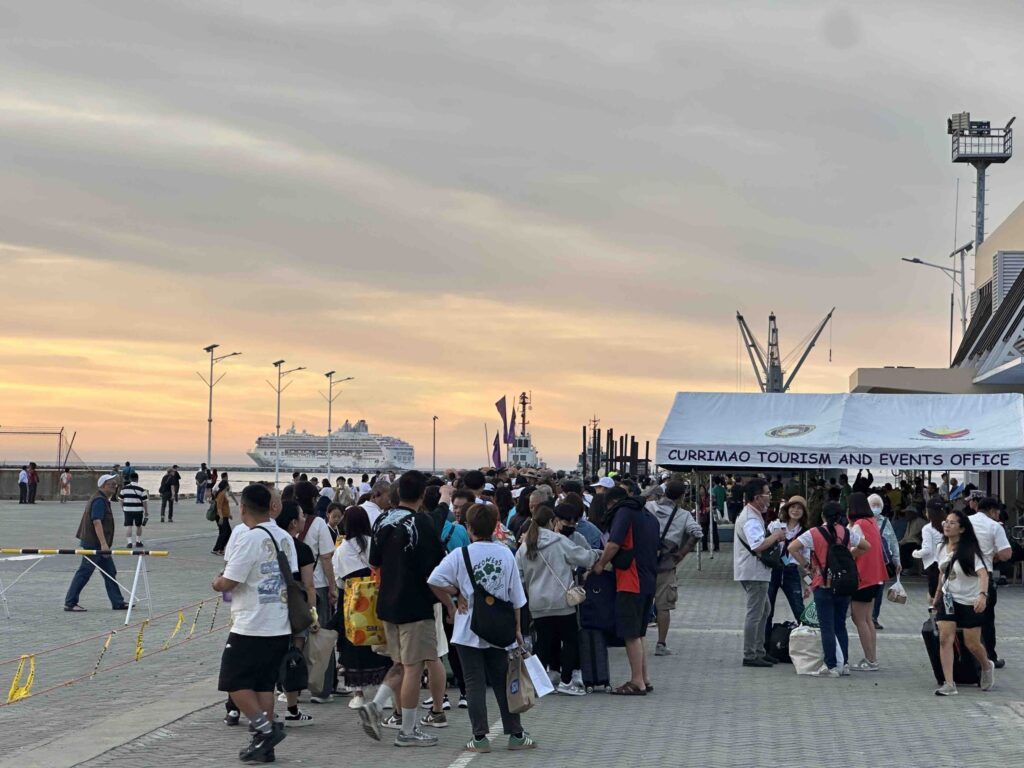
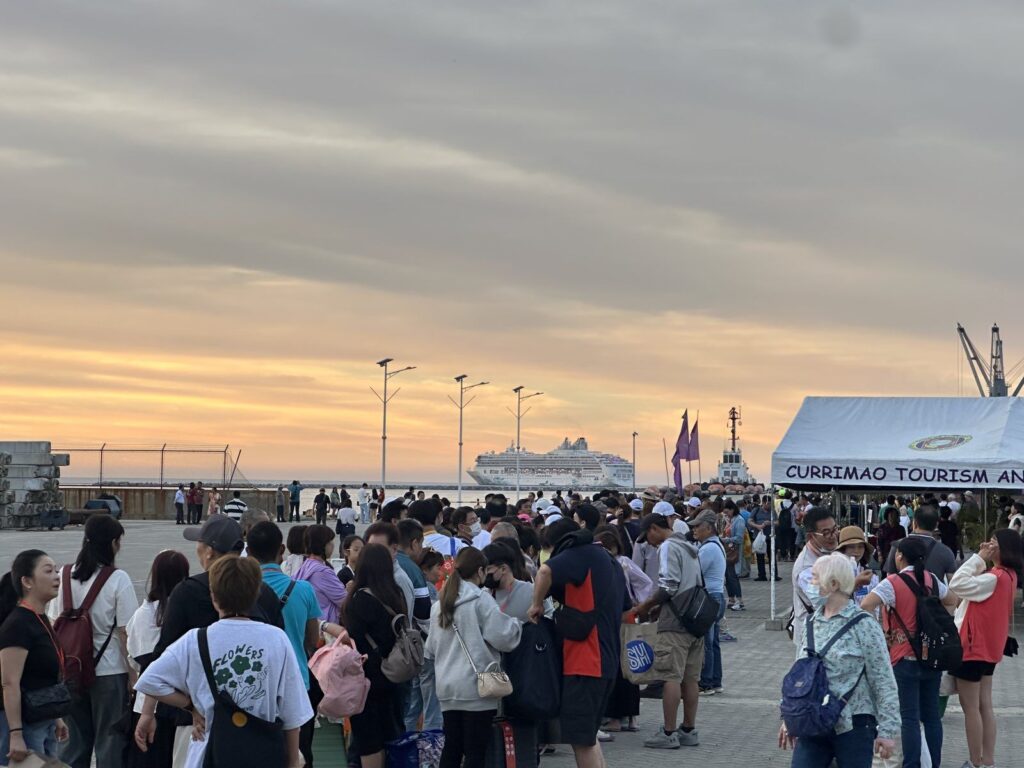
At present, many cruise tourists must leave the harbor area to visit places like Intramuros. Some passengers, however, prefer to stay near the port and relax during their brief stop. The planned terminal aims to give them dining, shopping, and leisure options without going far.
Private Sector to Run Operations
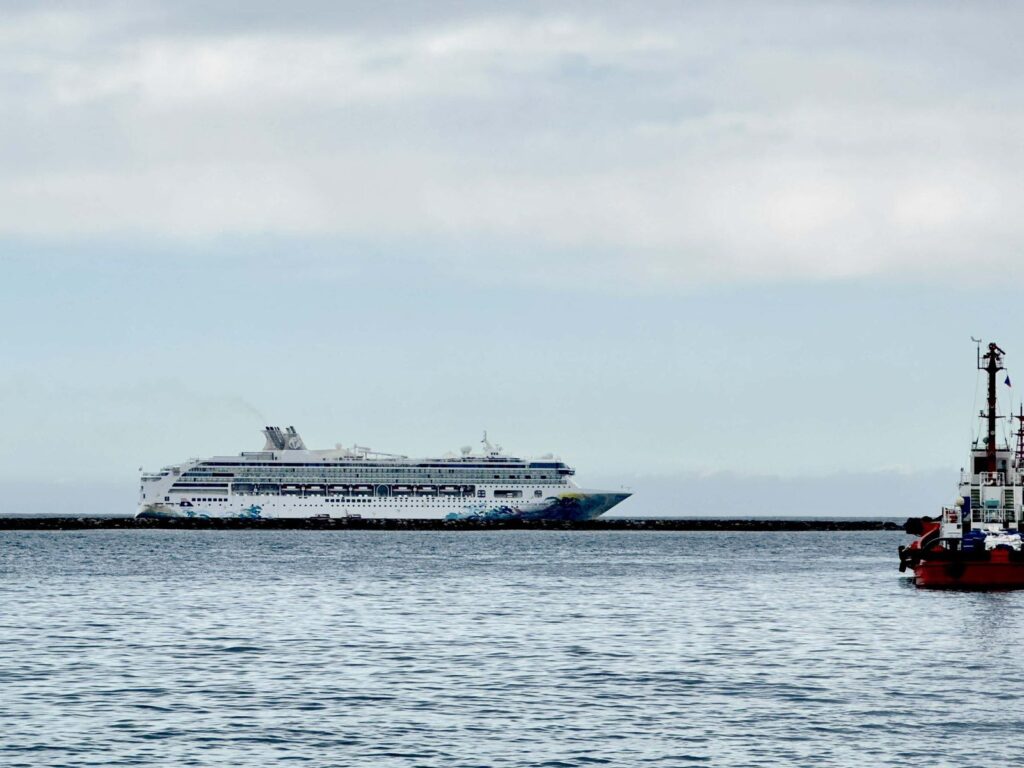
While the PPA will develop the terminal, operations and maintenance will be offered to private firms through concession. Commercial leases are expected to turn the complex into a steady revenue source. This model mirrors successful cruise hubs in other Asian destinations.
Cruise Tourism on the Rise
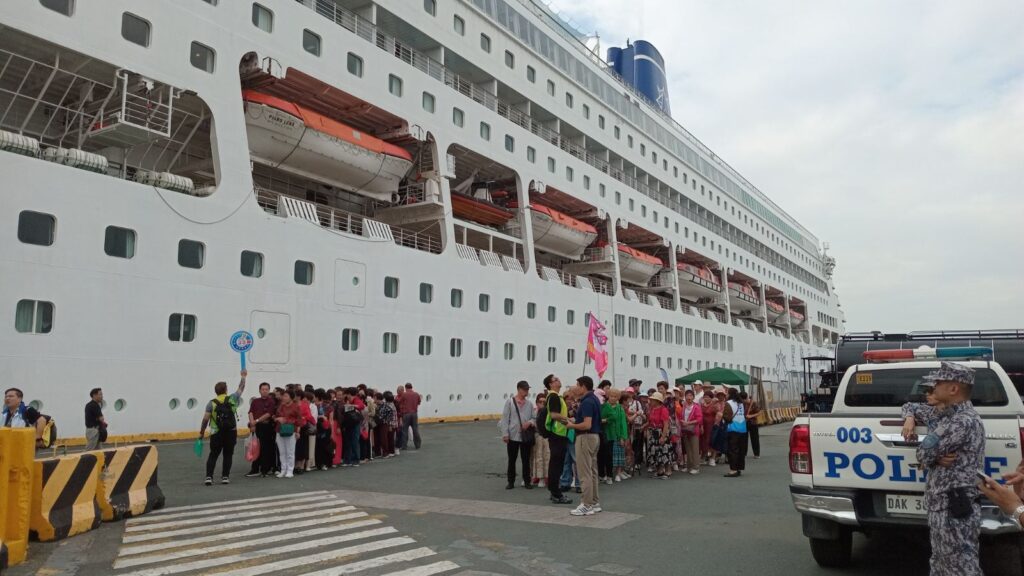
Cruise arrivals are already gaining momentum, with 157,147 passengers recorded from January to October alone. This figure has surpassed last year’s total of 88,142 cruise tourists. Officials see the new terminal as a timely response to this growing demand.
The project is targeted for development before the end of the Marcos administration, with construction possible as early as next year once land is secured. It is currently pegged for completion around 2026, though details are still being finalized. For Manila Bay, the vision is clear: a cruise terminal that works as both a port and a destination.