
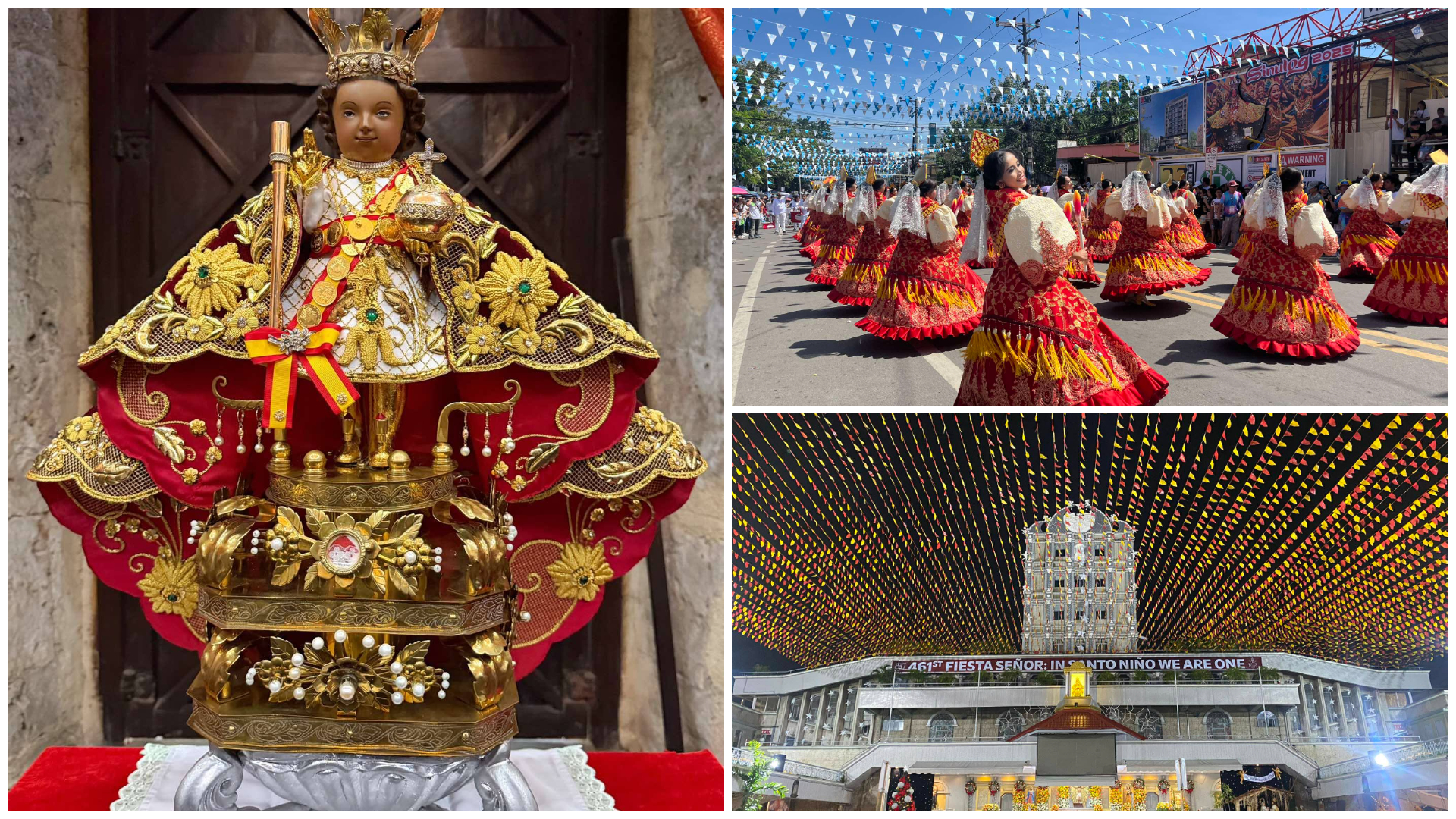
Sinulog Festival is Cebu City’s biggest cultural and religious celebration, held every third Sunday of January. It brings together faith, history, and art in one powerful event that defines the spirit of the city and its people.
Roots in Faith
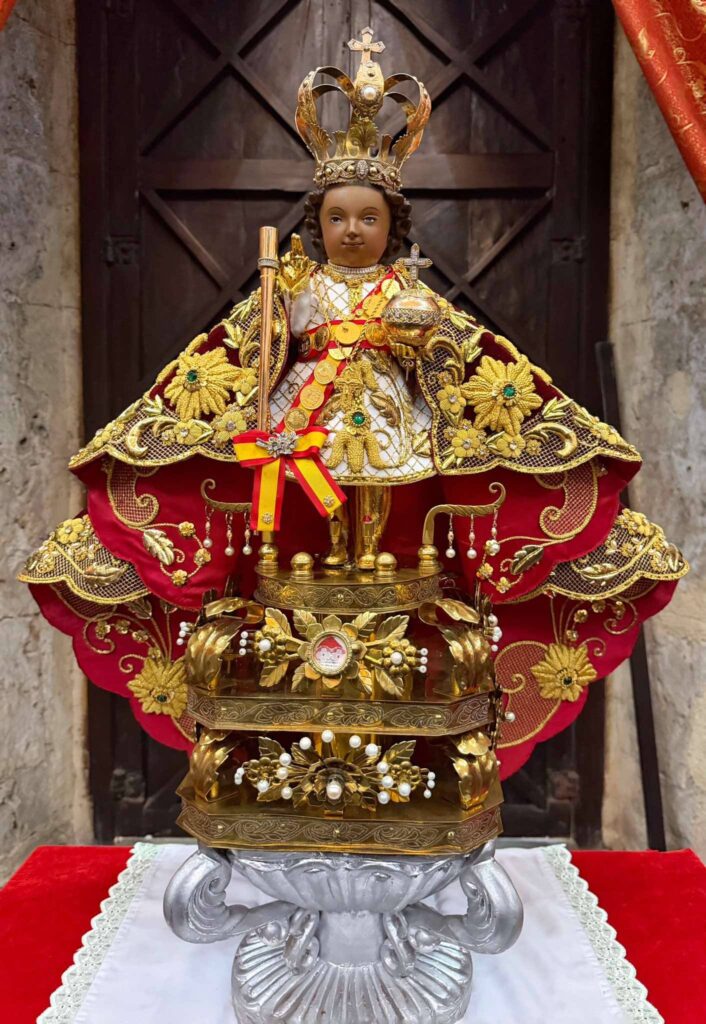
The festival honors Santo Niño, the Child Jesus, whose devotion in Cebu dates back to 1521. Religious activities such as novena masses, processions, and the fluvial parade form the spiritual core of the celebration and draw millions of devotees each year.
Meaning of the Dance
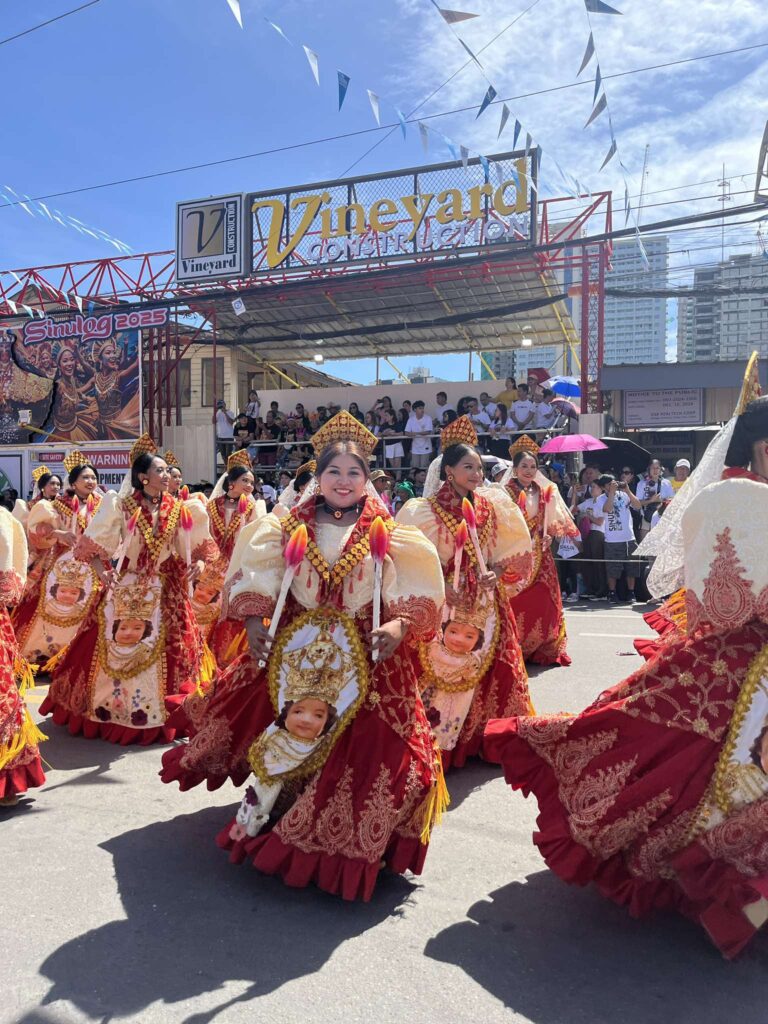
Sinulog comes from the Cebuano word sulog, meaning water current. The dance follows a forward and backward motion that mirrors flowing water, symbolizing the journey from early beliefs to Christianity and the steady strength of faith.
Growth Through Time
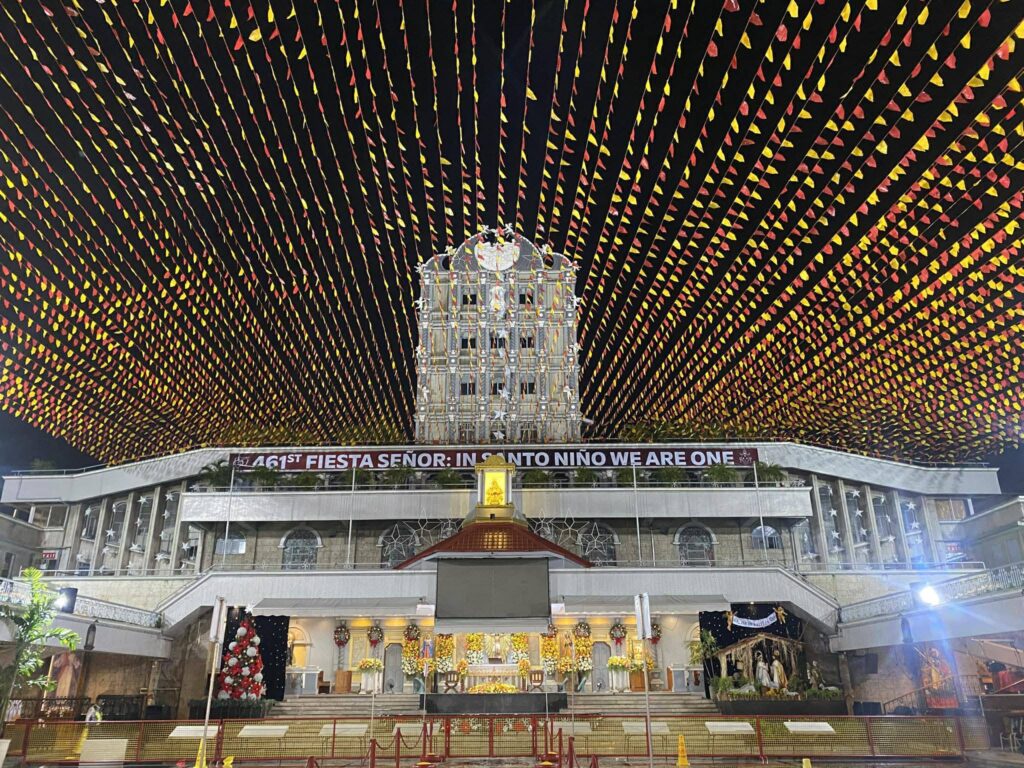
While devotion to the Santo Niño is centuries old, Sinulog in its present form began in 1980. What started as a simple dance ritual grew into a major festival that now spans most of January, with the Grand Parade as its highlight.
The Grand Parade
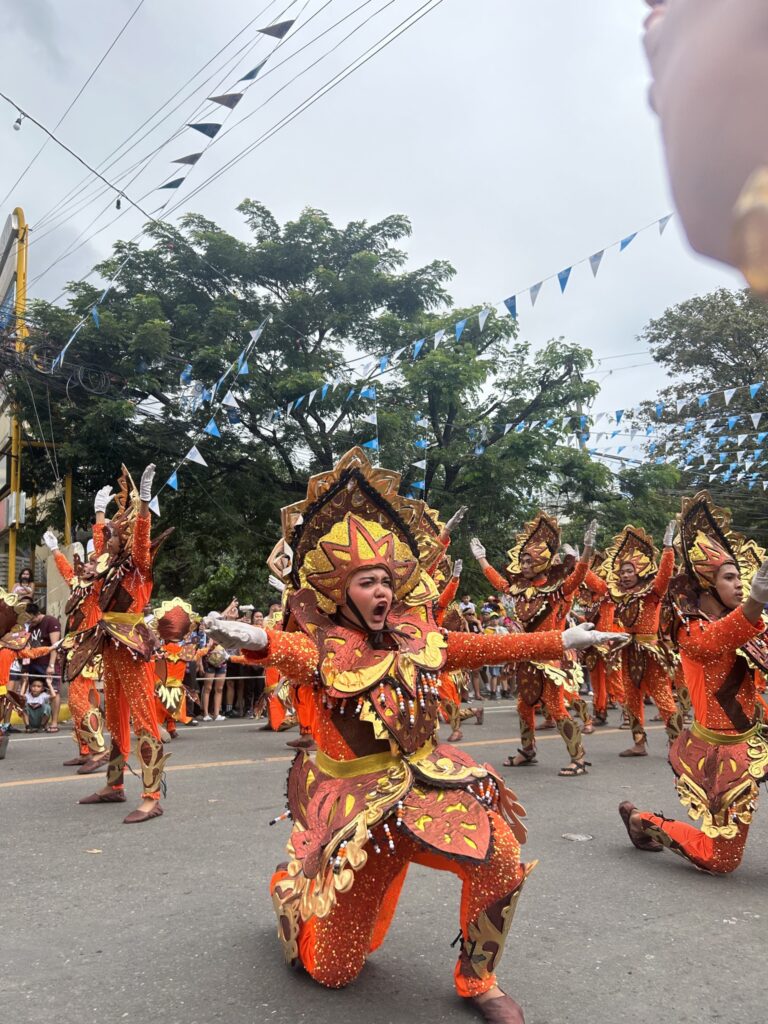
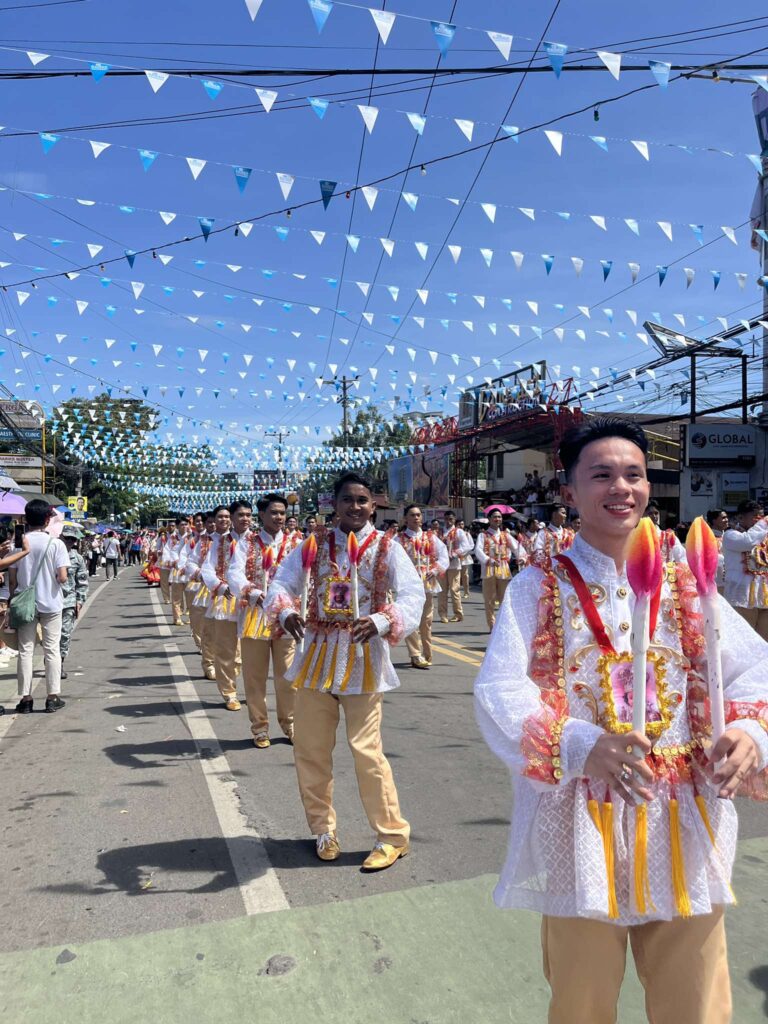
Colorful costumes, strong drumbeats, and synchronized movements fill Cebu’s main streets during the parade. Each performance tells a story of history, belief, and community pride through movement and music.
Culture Beyond the Streets
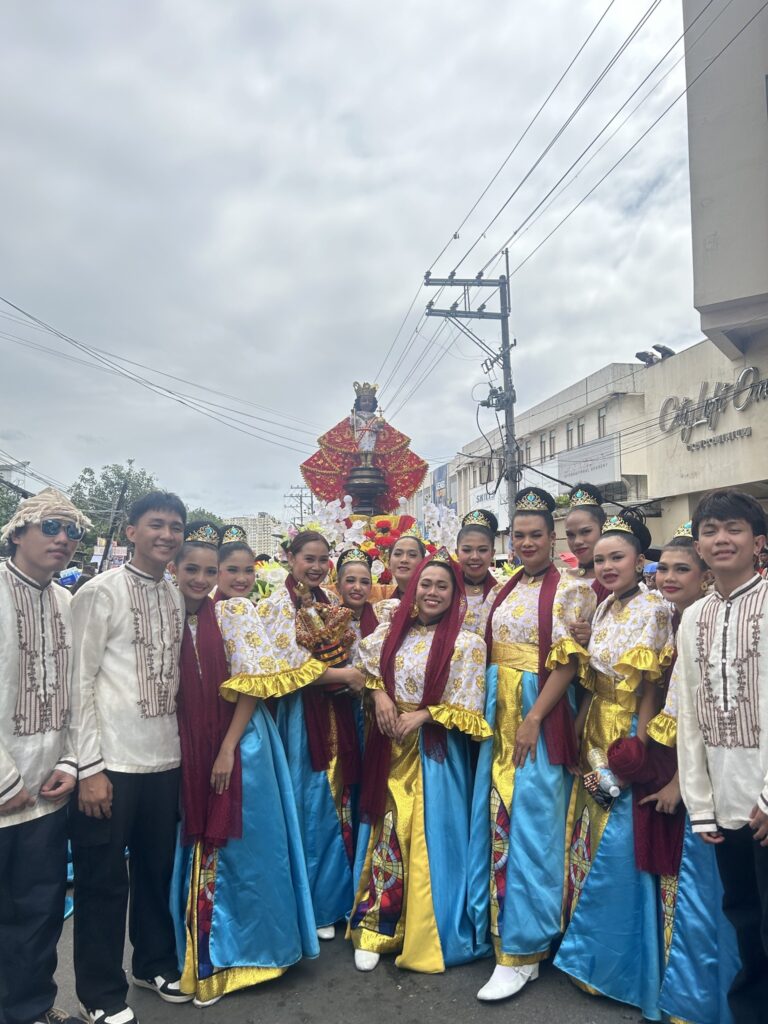
Sinulog includes art shows, dance and music contests, youth performances, and cultural fairs. Local food, crafts, and street events add depth to the celebration and reflect everyday Cebuano life.
Global Reach
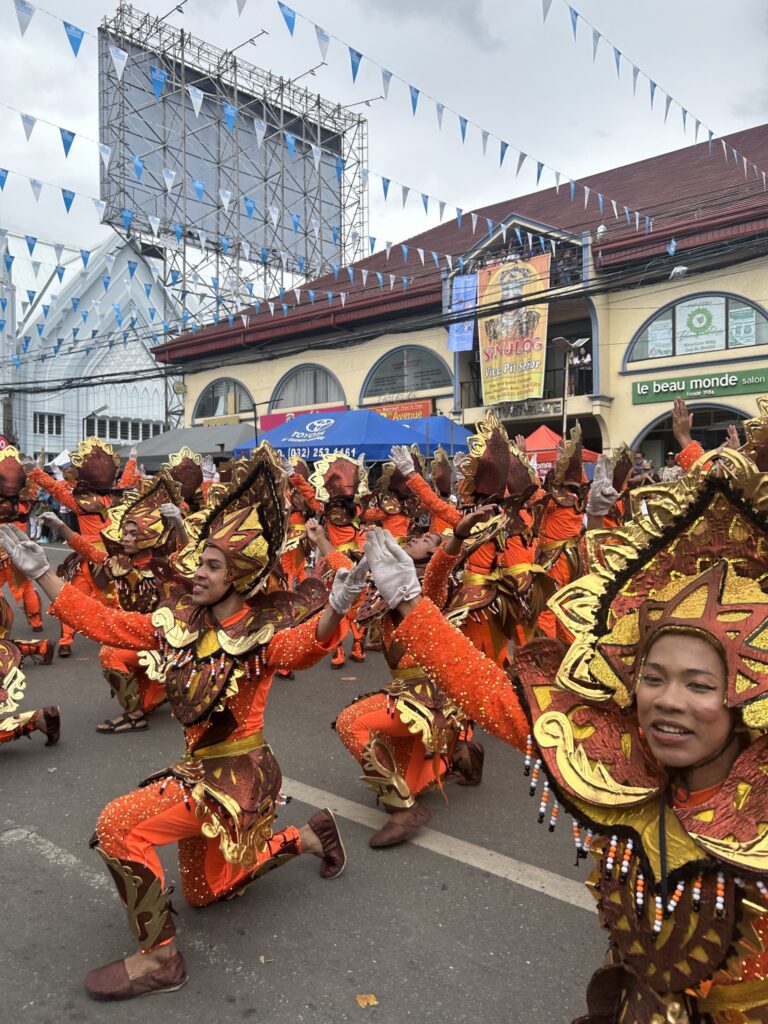
The festival attracts visitors from around the world and has inspired Sinulog celebrations among Filipino communities abroad. Its wide following has helped place Cebu on the global cultural map.
A Living Tradition
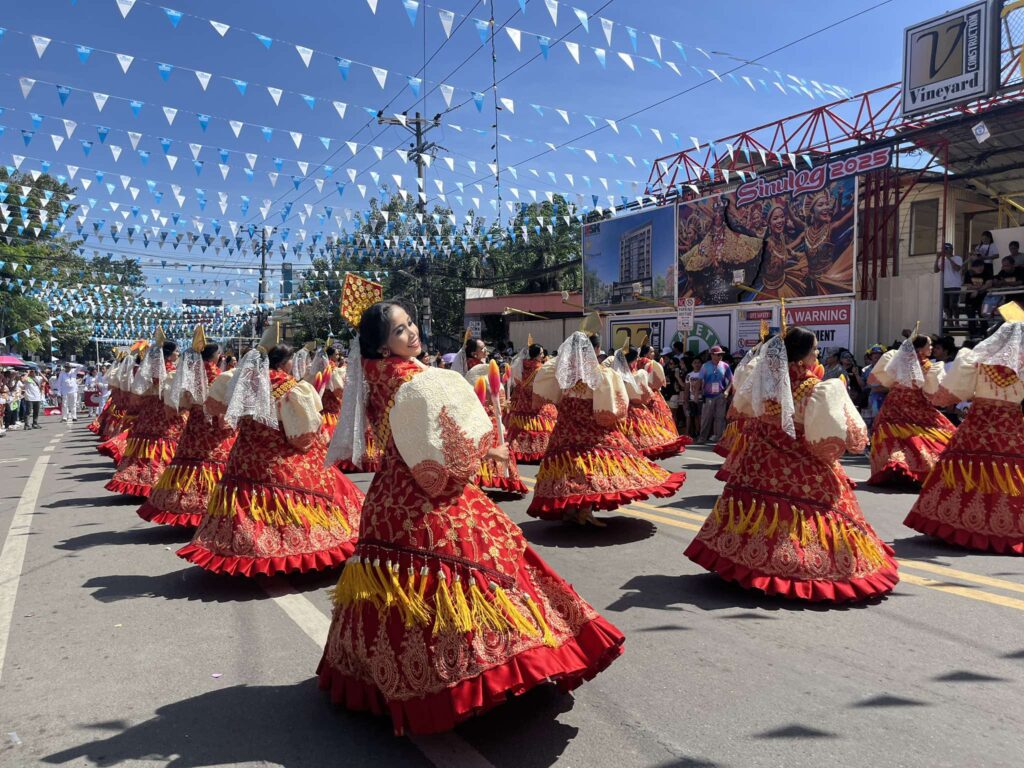
Sinulog continues despite challenges brought by time, crowds, and change. With every beat and step, it remains a strong symbol of Cebu’s faith, creativity, and shared identity.

Comments are closed.