
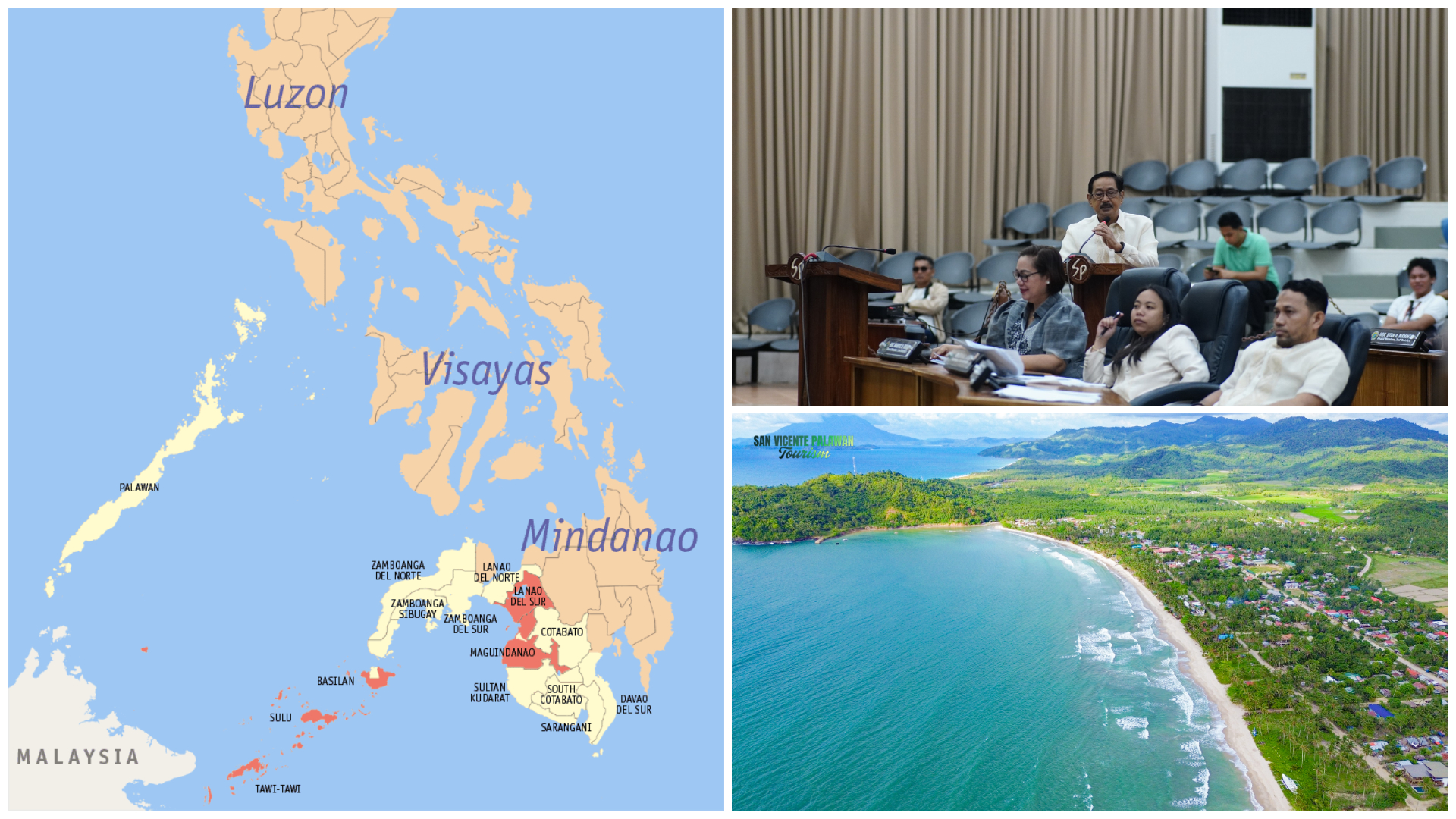
A clear position emerged in Puerto Princesa City as Palawan lawmakers addressed reports of a proposed Mindanao independence bid. The issue surfaced after maps linked to the move appeared to include Palawan. Provincial leaders moved quickly to clarify where the island province stands.
Provincial Resolution
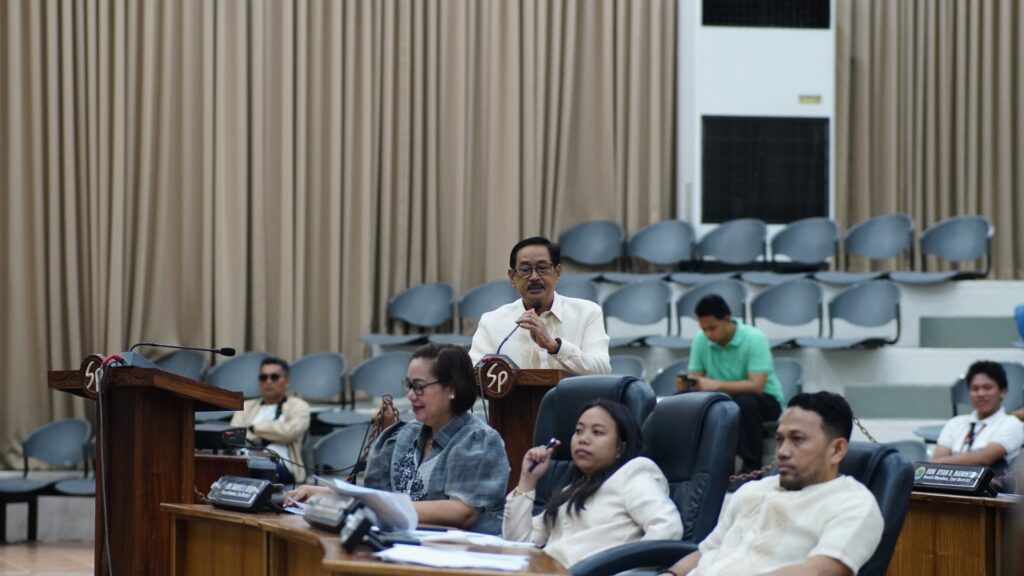
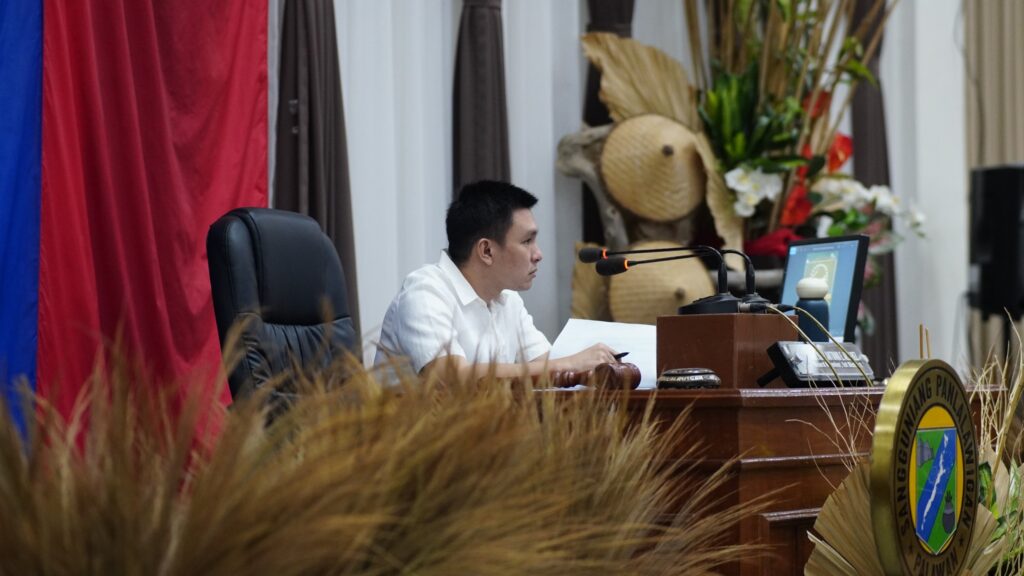
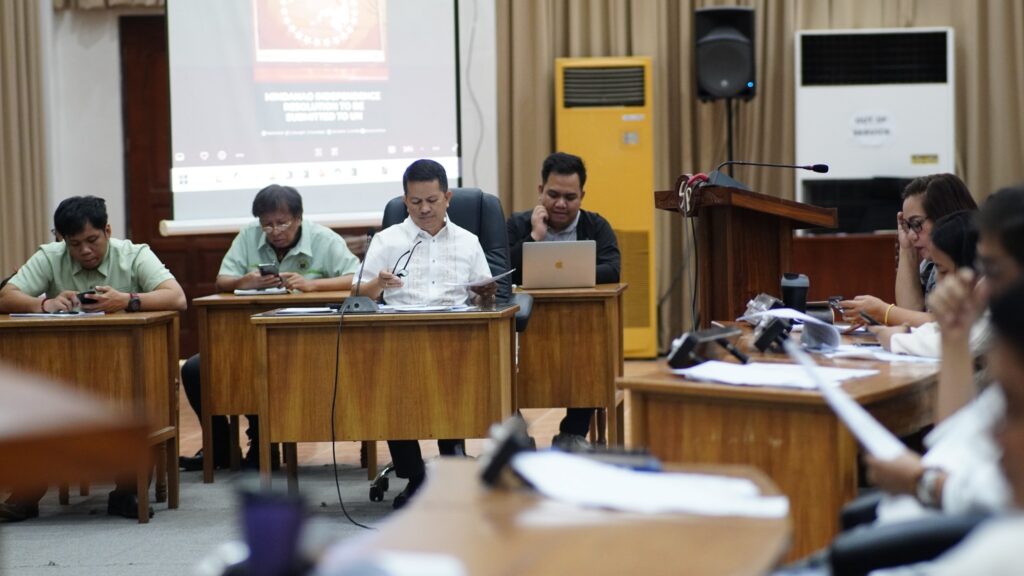
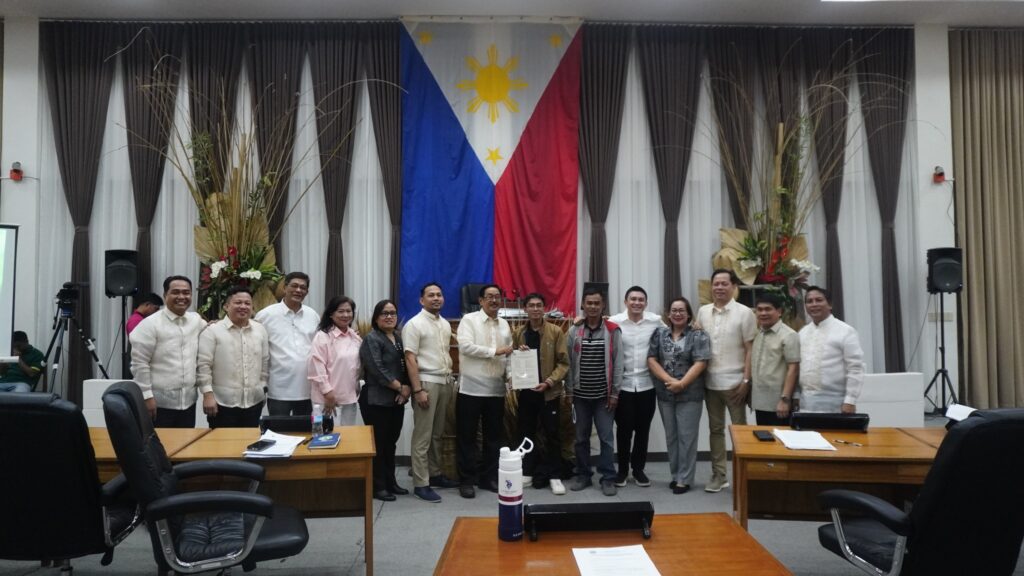
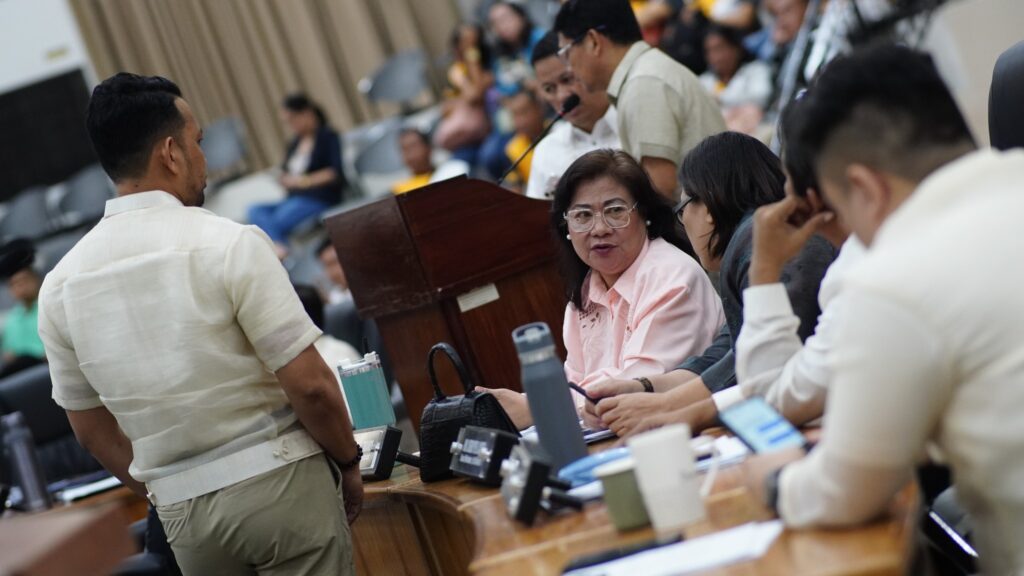
During a regular session on January 6, the Sangguniang Panlalawigan adopted a resolution objecting to any attempt to include Palawan. The move responded to a gathering in Cagayan de Oro City seeking recognition from a United Nations body. Lawmakers stressed that Palawan was neither mentioned nor consulted in the proposal.
Concern Over Minsupala

Board Member Ryan Maminta raised concern over the use of the old Mindanao Sulu Palawan or Minsupala concept. He explained that while not named in text, Palawan appeared in maps prepared for submission. The lack of consultation drew strong reaction from provincial officials.

History and Identity
Palawan leaders pointed to the province’s distinct administrative and cultural history. Indigenous communities such as the Tagbanua, Palaw’an, Batak, Tao’t-Bato, and Cuyonon were cited as part of this unique heritage. The province was never governed as part of Mindanao in any formal sense.
Legal and Peace Context
The proposal reportedly sought to frame Mindanao as a colonized and belligerent territory. Provincial officials noted that Palawan has no history of belligerency. They also recalled that armed conflict in Mindanao was addressed through peace agreements leading to the Bangsamoro Autonomous Region.
Plebiscite Rejection
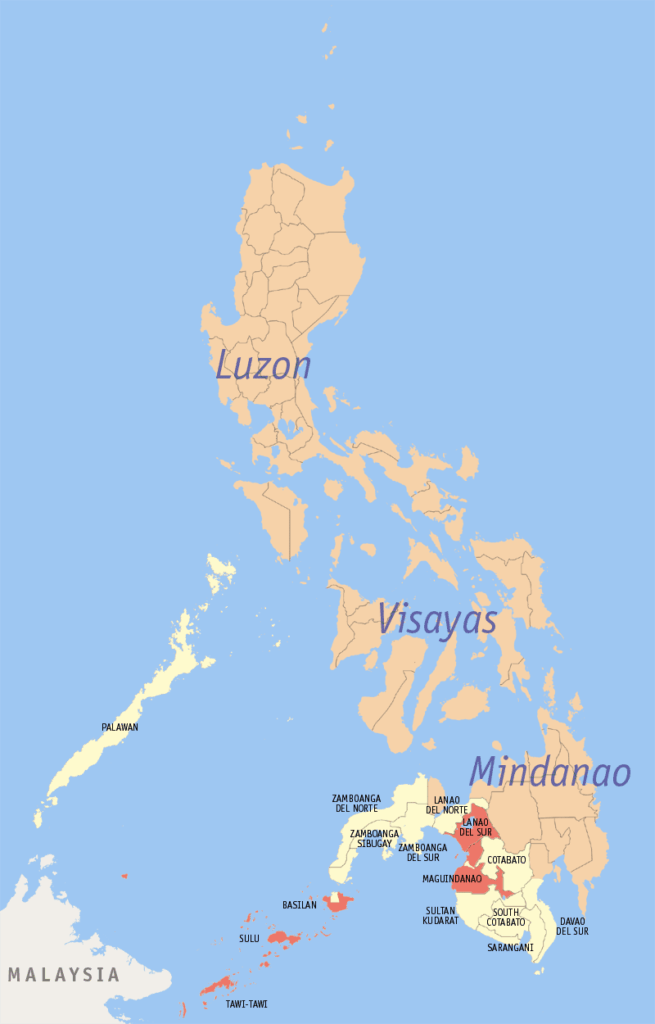
The idea of grouping Palawan with Mindanao and Sulu was raised as early as the 1976 Tripoli Agreement. Palawan voters rejected this setup in a plebiscite. Lawmakers emphasized that Minsupala remains an academic concept, not a political unit.
Other Palawan leaders echoed opposition and flagged the absence of public consultation. Calls were made to respect past plebiscites and the province’s desire for its own path. Several officials underscored that development and autonomy within the Constitution remain the preferred direction.