
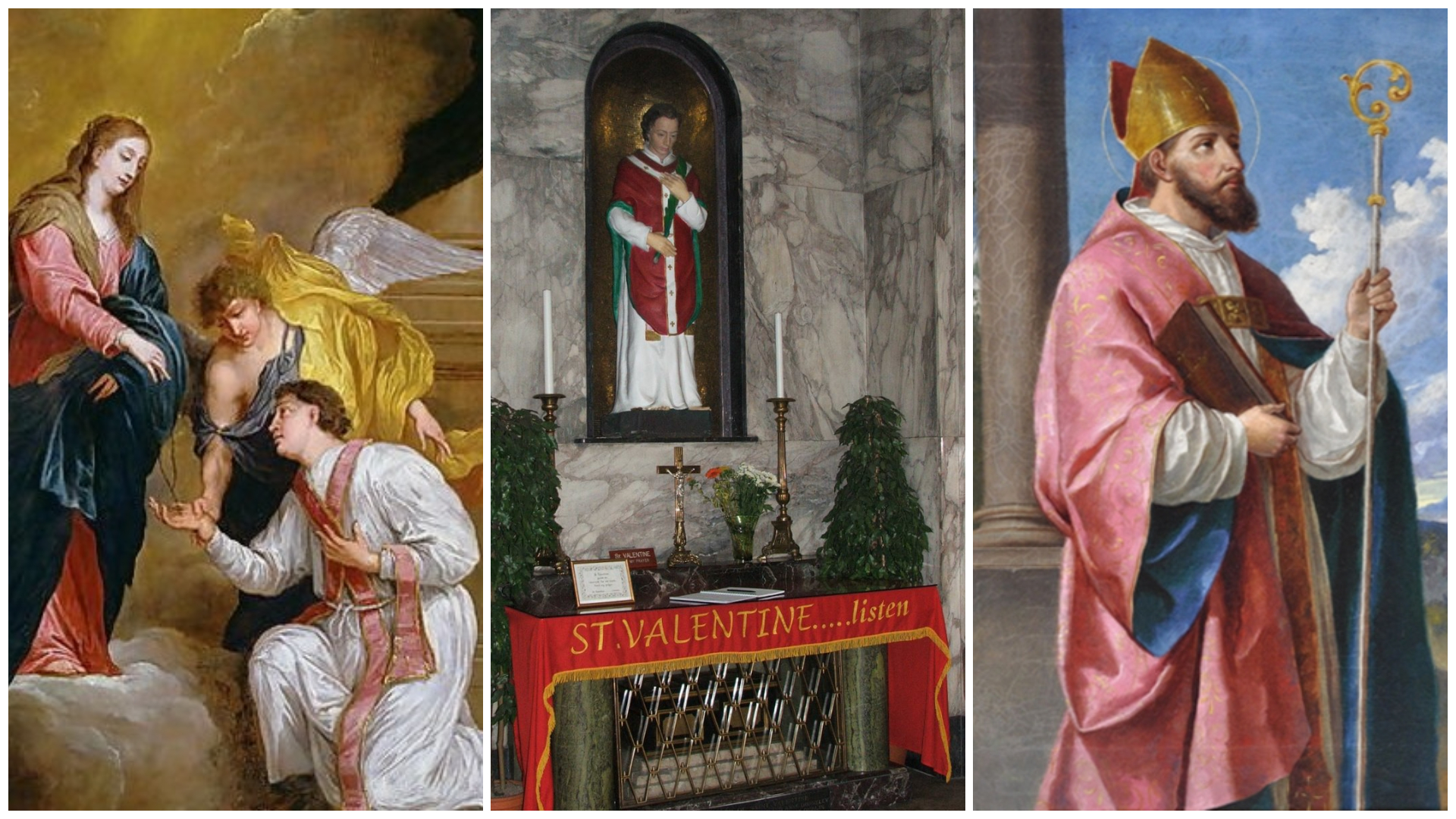
Every February 14, roses are handed out, cards are exchanged and churches remember a martyr linked to love. Yet behind the flowers and chocolates lies a quiet change that reshaped how the Catholic Church honors St. Valentine. What really happened to his feast day and why does it still spark questions today?
The 1969 Calendar Reform
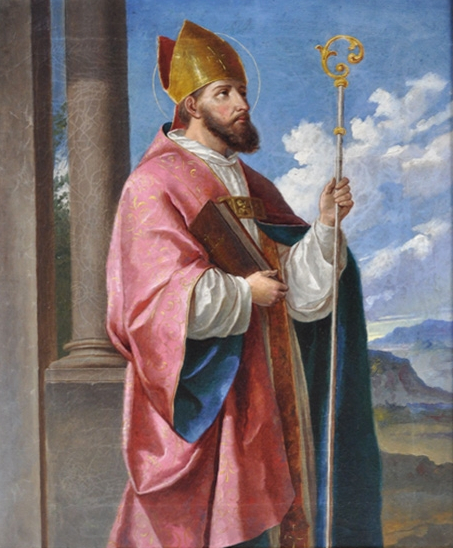
In 1969, the Church revised its General Roman Calendar following reforms from the Second Vatican Council. The council called for feasts to focus on saints of universal importance. With limited historical records about Valentine, his feast was removed from the universal calendar but not from local observances.
Questions About His Identity
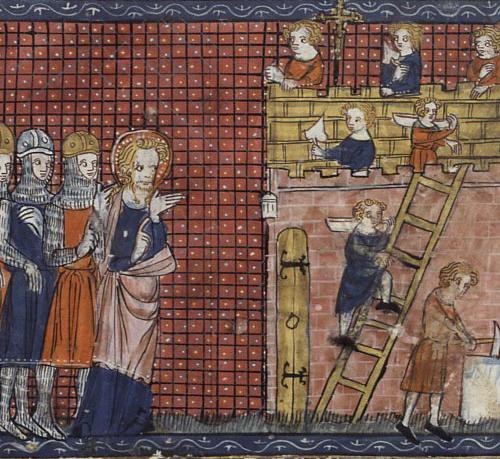
Early Christian texts mention more than one Valentine. One was said to be a priest in Rome, another a bishop in Terni, both believed to have died around A.D. 270. The overlapping accounts created uncertainty about the saint’s full story.
From Martyr to Symbol of Love

Centuries later, the date gained a romantic tone in Europe. The poetry of Geoffrey Chaucer helped connect February 14 with courtly love during the Middle Ages. The feast slowly shifted in public imagination from martyrdom to romance.
Links to an Older Festival
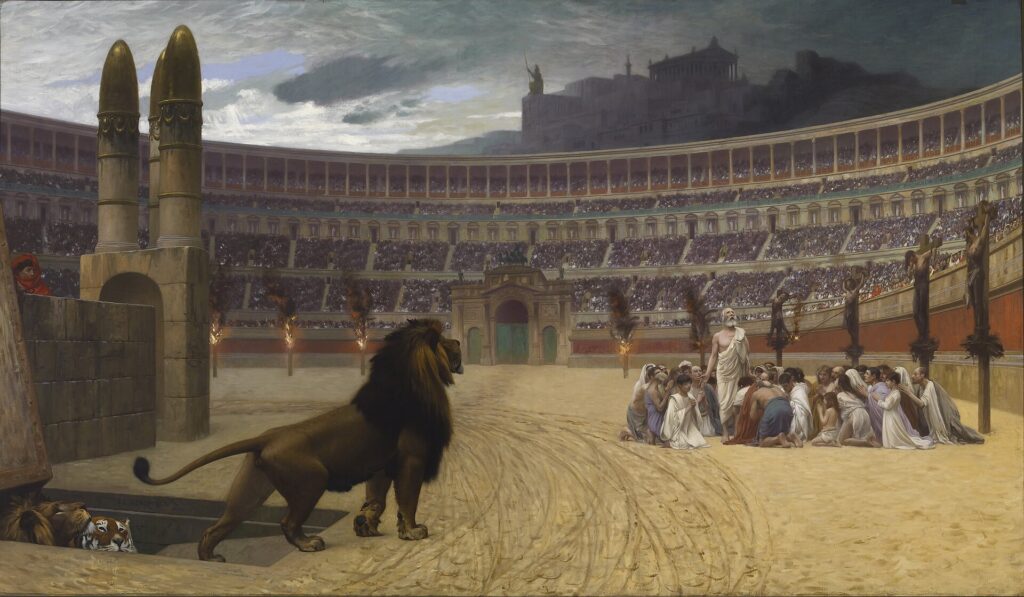
Some historians once suggested the date replaced Lupercalia, an ancient Roman fertility rite held every February 15. Modern scholars note that similarities are few, though both occurred in mid-February. The theory remains debated among historians.
A Papal Declaration
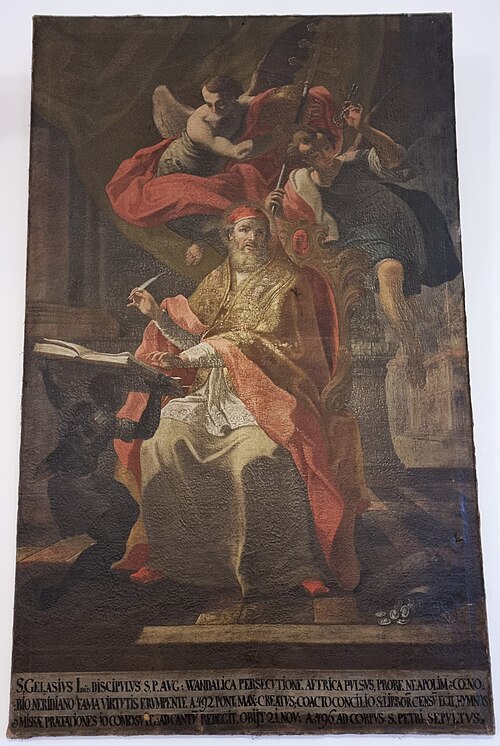
By the late fifth century, Pope Gelasius I declared February 14 as St. Valentine’s Day. The older pagan festival was eventually suppressed. The Christian feast remained on the calendar for centuries after.
Survival Beyond Rome

Following the Reformation, the Anglican Church continued honoring St. Valentine. In England, the celebration became woven into local customs and poetry. Debates even arose over certain traditions such as drawing lots for partners.
From Handwritten Notes to Global Cards
By the 18th and 19th centuries, Valentine greetings became common in Europe and America. Improved printing technology led to mass-produced cards, popularized by companies like Hallmark. Today, millions of cards are sent each year, keeping the saint’s name alive in a new way.
A Name That Endures
Was St. Valentine erased from the Church? His feast may no longer appear on the universal calendar, but he remains recognized as a martyr. Every February 14, his story continues to echo through faith, history and modern love.