
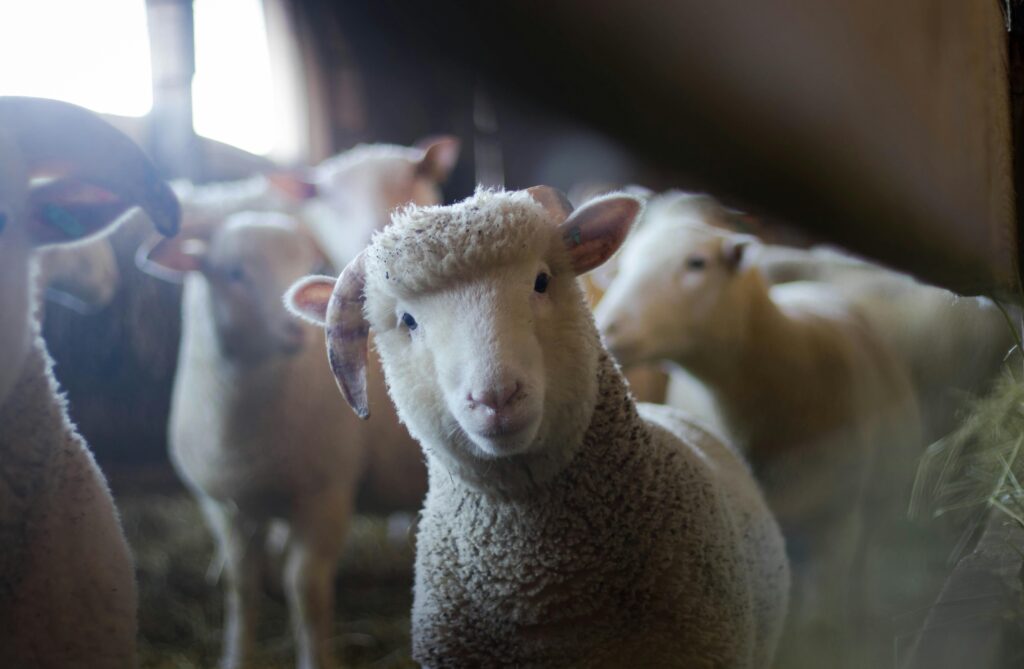
Rabies, a deadly viral disease, has been detected in a sheep in General Santos City. The animal showed unusual behavior and died shortly after. This case marks the first recorded instance of rabies in sheep in the area.
Possible Source of Infection

The infection may have originated from a stray dog carrying the rabies virus. The virus can spread to animals like sheep through bites, and symptoms typically appear around two weeks after exposure.
Actions Taken by Authorities
Local veterinary authorities tested over 30 sheep on a farm linked to the outbreak. Animals suspected of infection were culled to prevent further spread. The city has a history of animal rabies cases, with 25 recorded so far.
Rabies in Humans
Rabies is a serious threat to humans as well. Nationwide, there have been 260 human cases from January to September 2025. The disease is usually transmitted through the bite of an infected animal.
The Rabies Virus
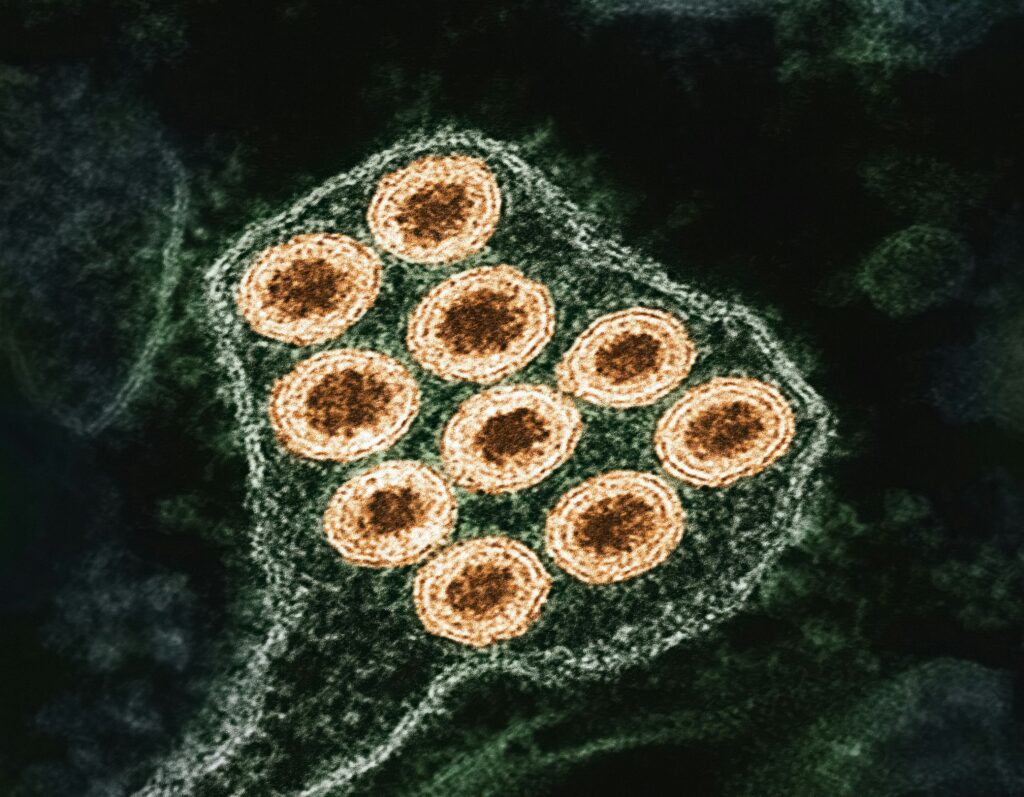
Rabies virus belongs to the Lyssavirus genus and has a single-stranded RNA genome. It encodes five essential proteins: nucleocapsid, matrix, glycoprotein, large protein (RNA polymerase), and phosphoprotein. These proteins are crucial for the virus’s structure and replication.
Virus Structure
The virus is bullet-shaped and enveloped in a lipid membrane from the host. Glycoprotein spikes on its surface allow it to attach to cells. Inside, the RNA genome forms a helical structure with the viral polymerase, ready to replicate.
How Rabies Spreads in the Body

The virus initially infects tissues near the bite site. It travels through nerves to the spinal cord and brain, causing neurological symptoms. Eventually, the virus reaches the salivary glands and other organs, allowing it to spread through saliva.
Prevention and Safety

Vaccination remains the most effective way to prevent rabies in animals and humans. Controlling stray dog populations and monitoring livestock for unusual behavior are also key measures.

Comments are closed.