
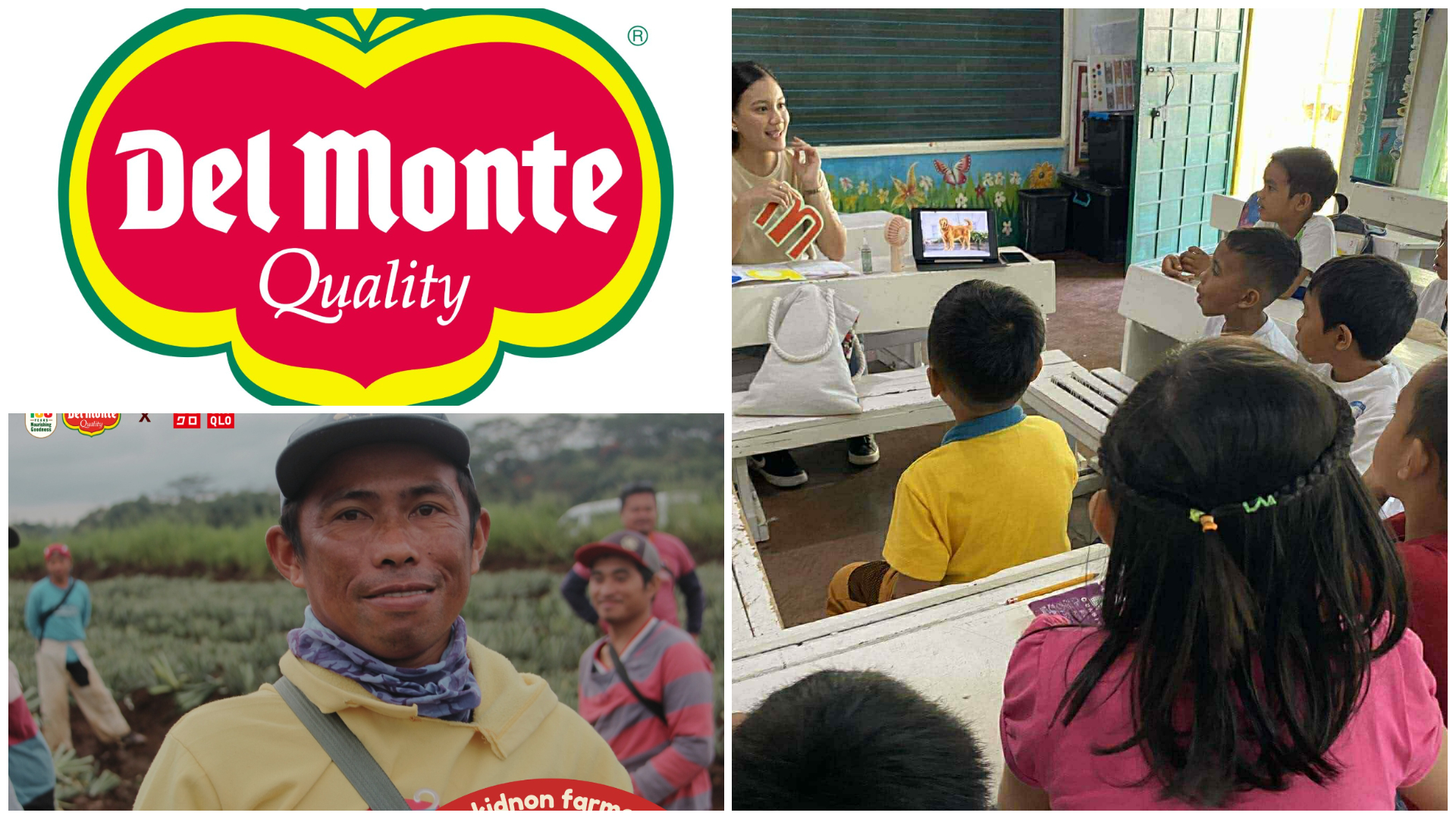
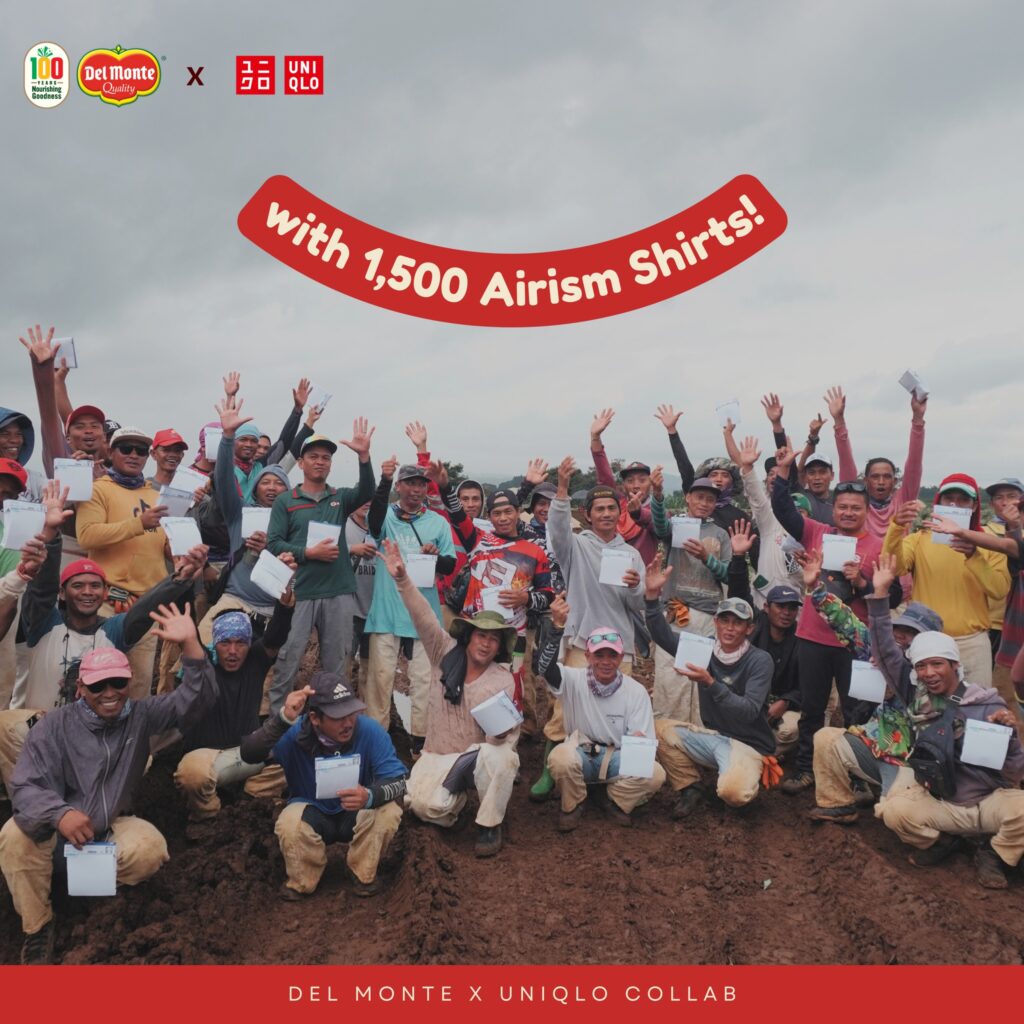
In the heart of Bukidnon, a thriving plantation, Del Monte Philippines Plantation has become more than just a place of work, it is a self-sustaining community. Thousands of employees and their families live in a village where housing, education, and healthcare are provided as part of daily life. Schools and recreational facilities ensure that children have opportunities to learn, grow, and enjoy childhood while parents contribute to the harvest and operations.
Education as a Cornerstone
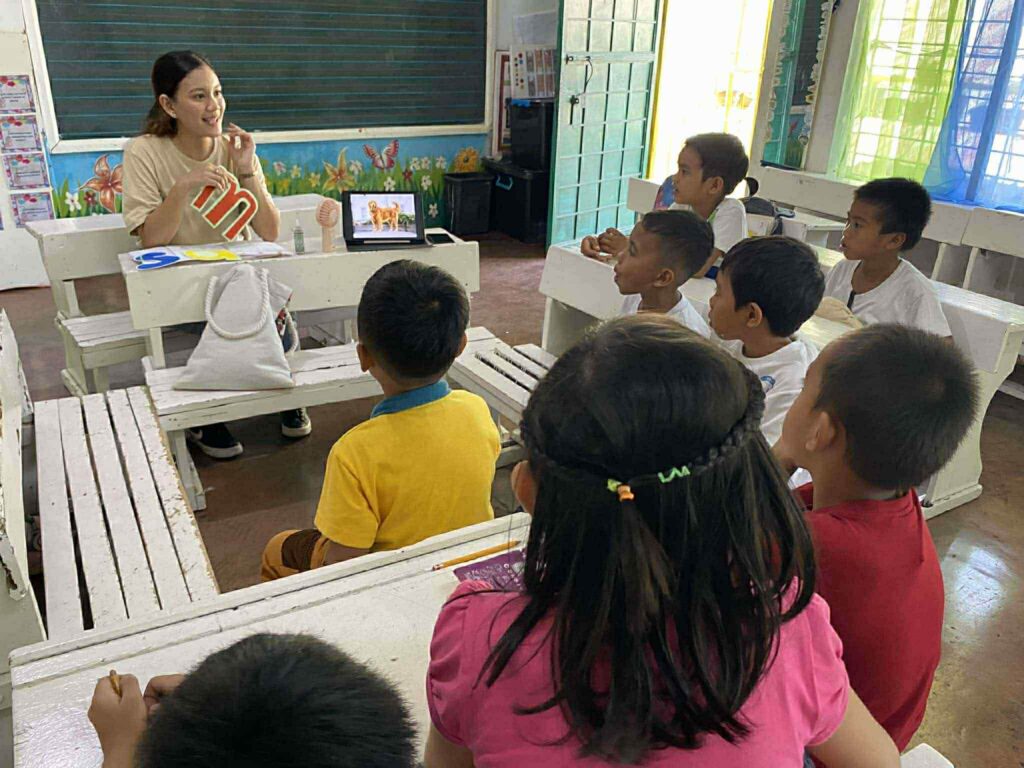
Education is a priority in this unique community. Children of workers have access to quality schooling, and scholarship programs have allowed many to graduate as professionals. With classrooms, learning materials, and supportive programs, the plantation fosters an environment where young minds can flourish, laying the foundation for future generations to thrive.
Comprehensive Healthcare for All
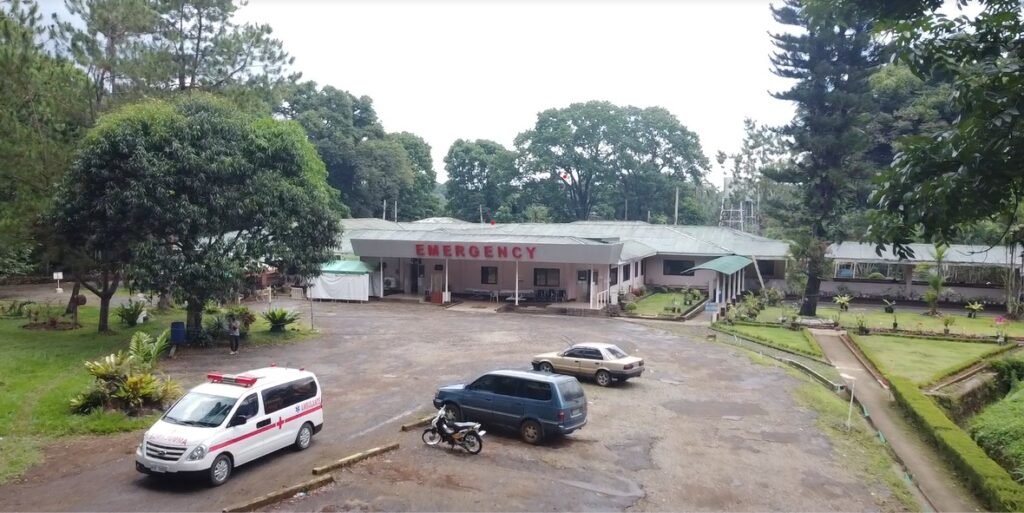
Healthcare in the community goes beyond standard provisions. Hospitals operate within the plantation, offering medical services to employees and their families without financial burden. This system ensures that workers’ well-being is cared for, allowing them to focus on their roles while knowing their health and that of their loved ones is supported.
Uplifting Lives Beyond the Workplace
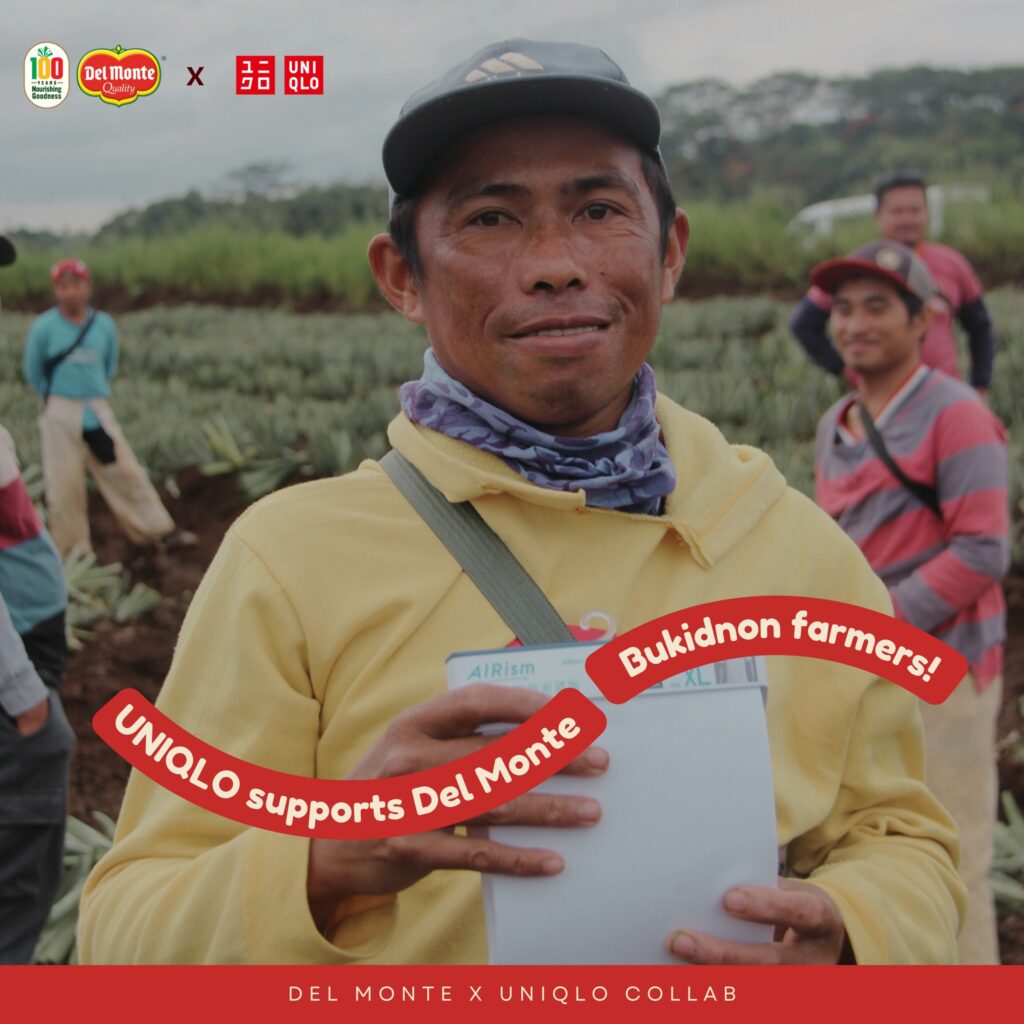
The impact of this approach extends far beyond the plantation gates. Livelihood programs and community initiatives provide residents with tools to achieve self-sufficiency. From feeding programs to skills training, these efforts create long-term benefits for the wider population, strengthening neighborhoods and contributing to social development.
Sustainability in Practice

The community’s model emphasizes care for both people and the land. Extensive agricultural operations are balanced with environmental stewardship, including tree planting, water recycling, and soil conservation. This commitment ensures that the land remains productive and healthy for generations of workers and residents alike.
A Living Cycle of Support
The integration of housing, education, healthcare, and community programs demonstrates a holistic approach to employee welfare. Workers benefit from a secure environment where their families can grow, learn, and thrive. This interconnected support system highlights how investment in people creates lasting value for both the community and the land they nurture.
The Other Side

Despite Del Monte’s praised community support, its plantations stand on lands long claimed by Indigenous groups. Agrarian reform and leaseback deals left many farmers with titles but little control, and expired leases continue to spark disputes. Tensions, displacement, and documented violence around these land conflicts reveal a deeper, unresolved struggle beneath the company’s success.
Overall, Del Monte’s model of community care coexists with deep-rooted disputes over land, identity, and historical injustice. The company’s celebrated support system stands alongside unresolved issues that continue to affect Indigenous communities and farmers whose claims to the land stretch back generations.

Comments are closed.