
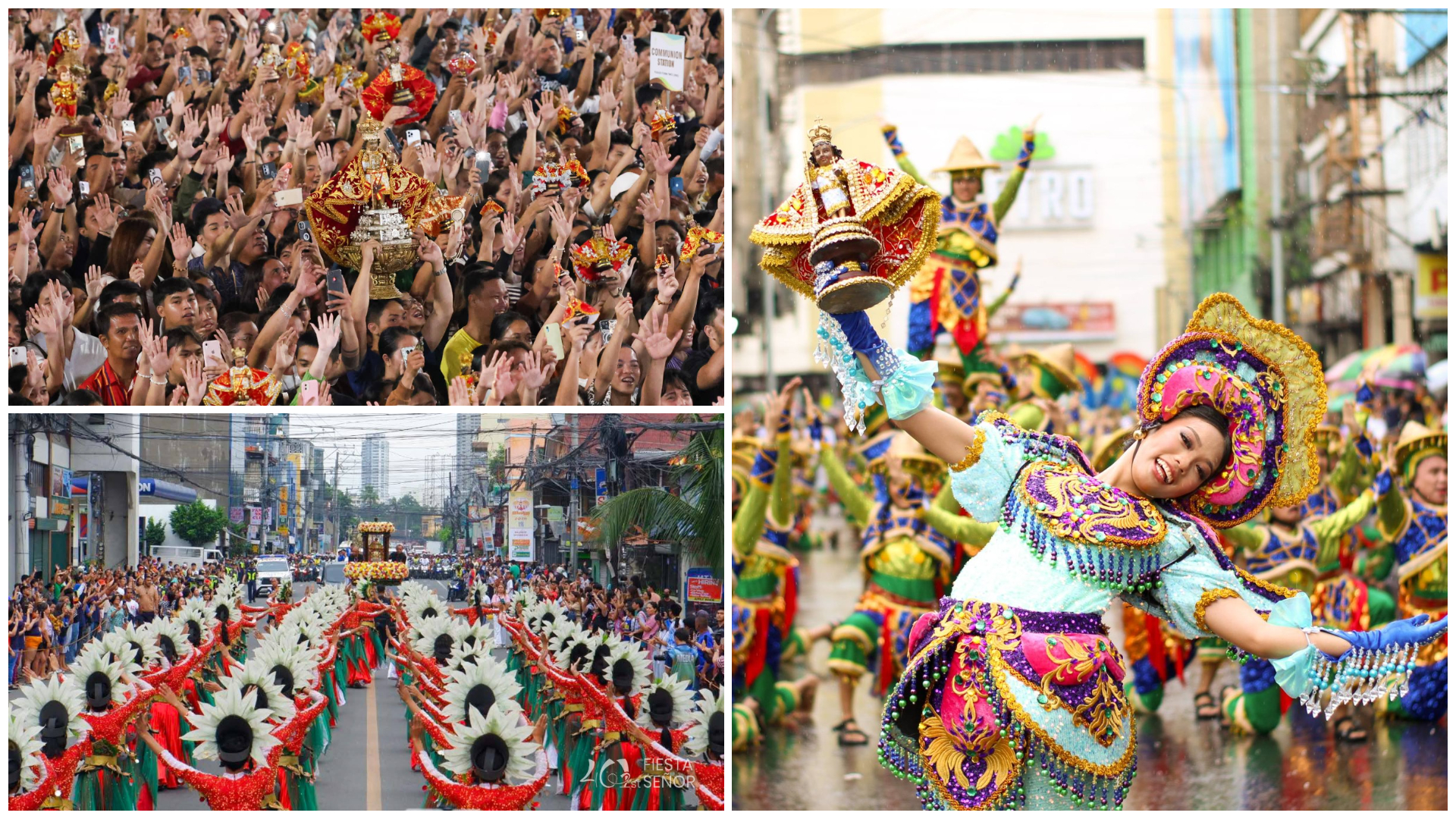
Cebu’s Sinulog Festival pulses to the rhythm of devotion and heritage. At the heart of this celebration is the Sinulog dance, a graceful movement inspired by the flow of water. Its signature rhythm, two steps forward, one step back, mirrors the current of the Pahina River. The word “Sinulog” comes from the Cebuano term sulog, meaning water current, reflecting the dance’s fluid motion and cultural significance.
From Pagan Rituals to Catholic Devotion
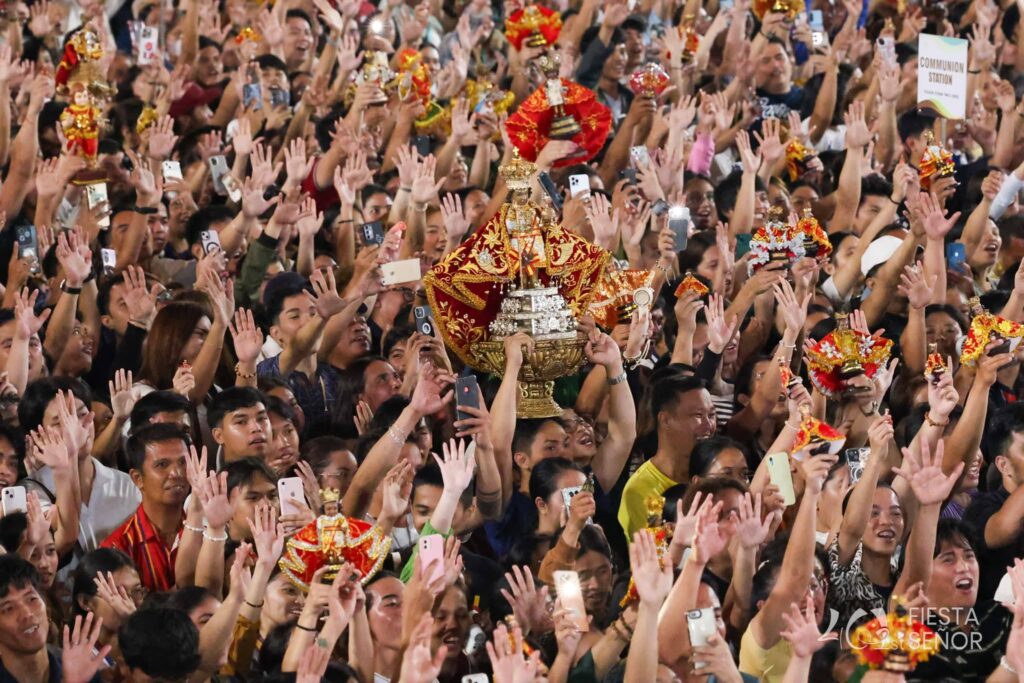
Long before the arrival of Spanish colonizers, Cebuanos performed the Sinulog as a prayer in motion, honoring native deities. When the Santo Niño was introduced in 1521, the dance evolved into an act of devotion. Legends say Queen Juana led the dance while holding the image of the Infant Jesus, blending indigenous rhythm with Catholic faith. Today, this fusion of pre-colonial ritual and Christian devotion defines the festival.
The Signature Steps
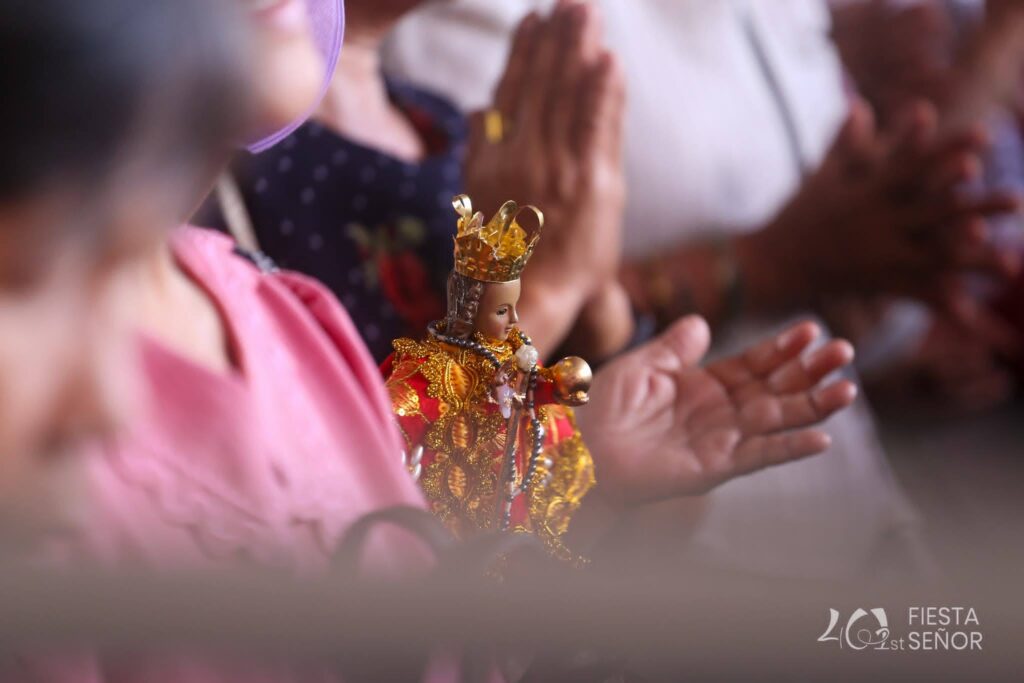
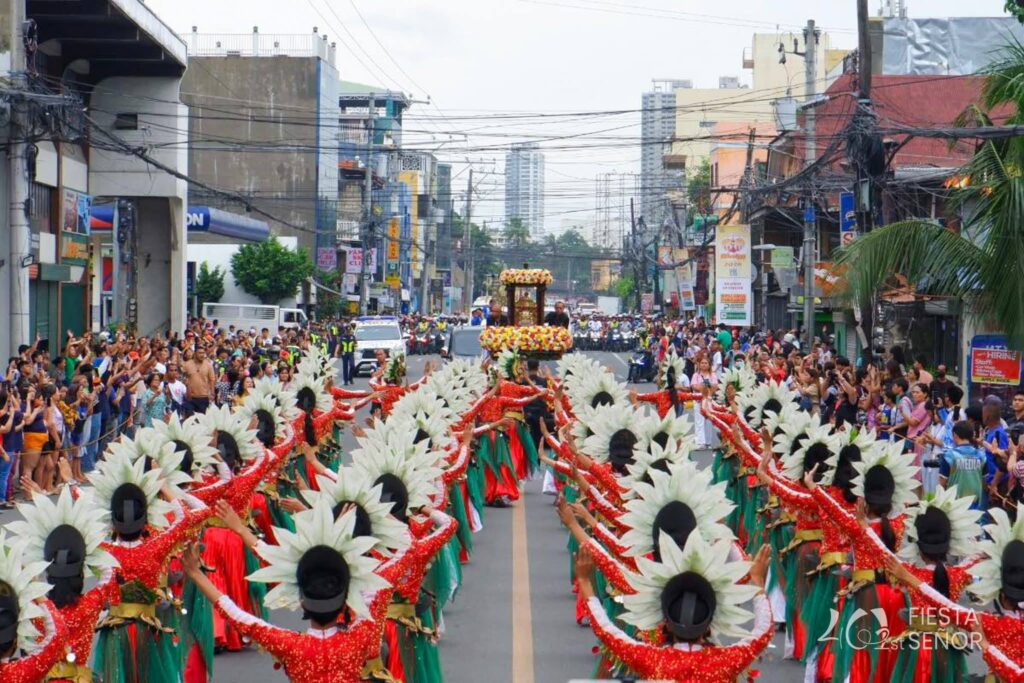
The Sinulog dance captivates with its distinct forward-backward motion. Dancers move two steps forward and one step back, swaying gracefully to drumbeats and native instruments. Candles, images of the Santo Niño, and decorative fans often accompany performances, adding color and symbolism. Each movement embodies reverence and gratitude, turning the streets of Cebu into a vibrant stage of faith and culture.
Music and Spirit
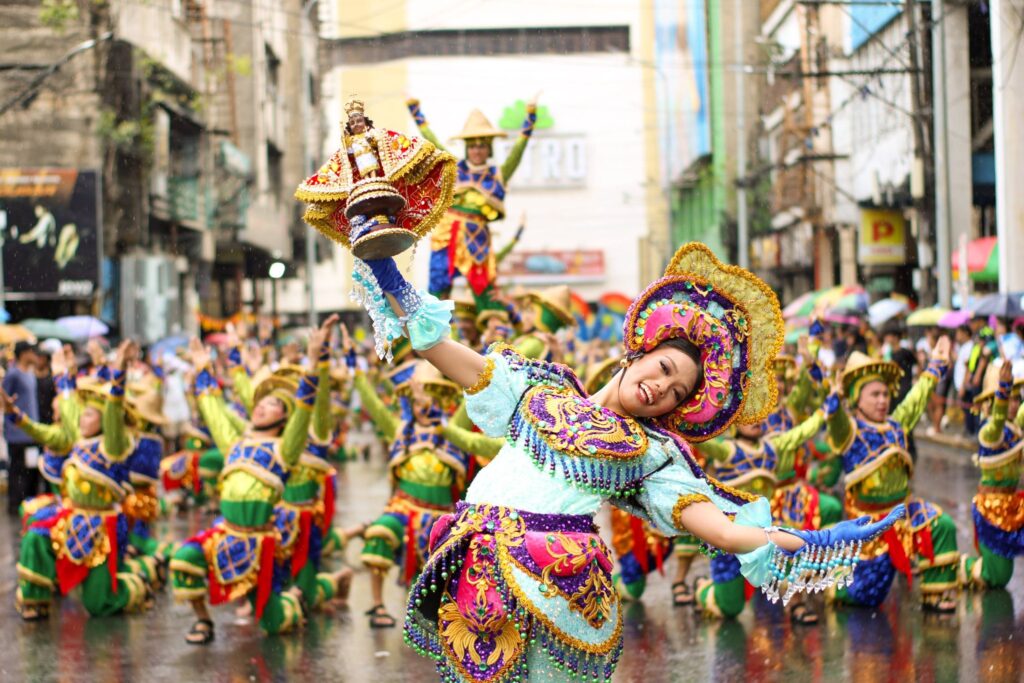
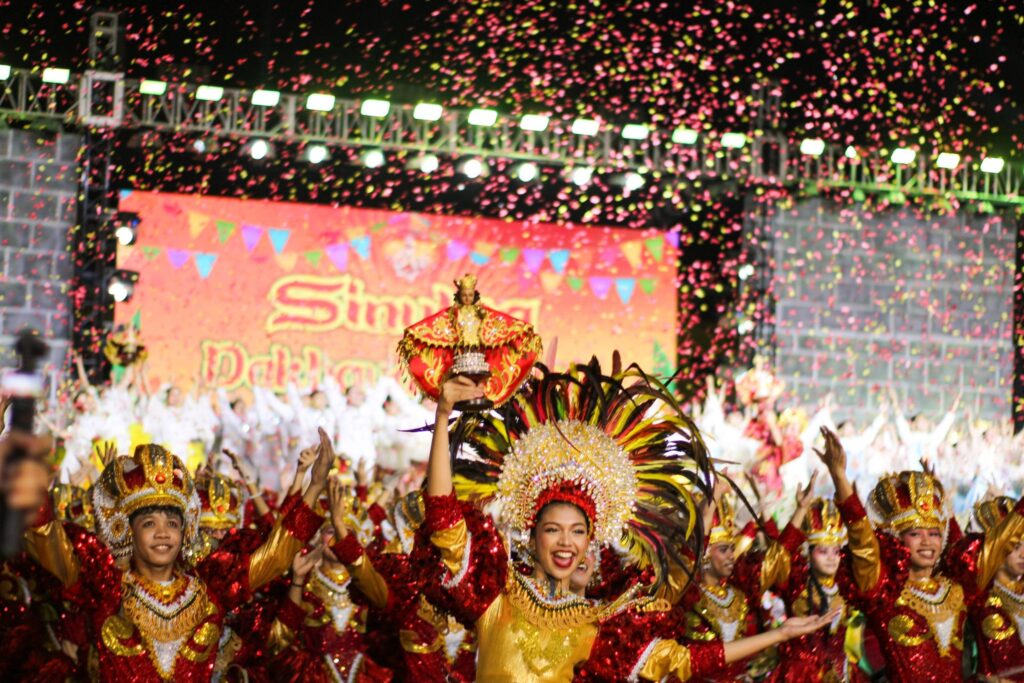
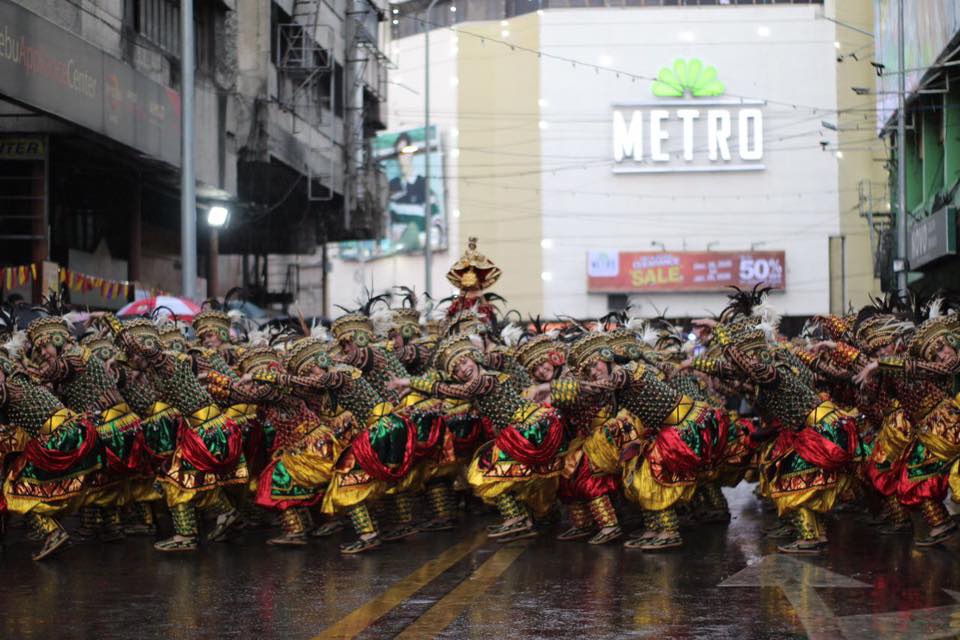
Drums set the pace for the Sinulog, often accompanied by the famous chant Pit Señor. Contingents train for months, perfecting choreography and costumes for both ritual and free interpretation categories. The energy, discipline, and passion of the dancers bring the city alive every January, showcasing Cebuano heritage to local and international audiences alike.
The Festival Today
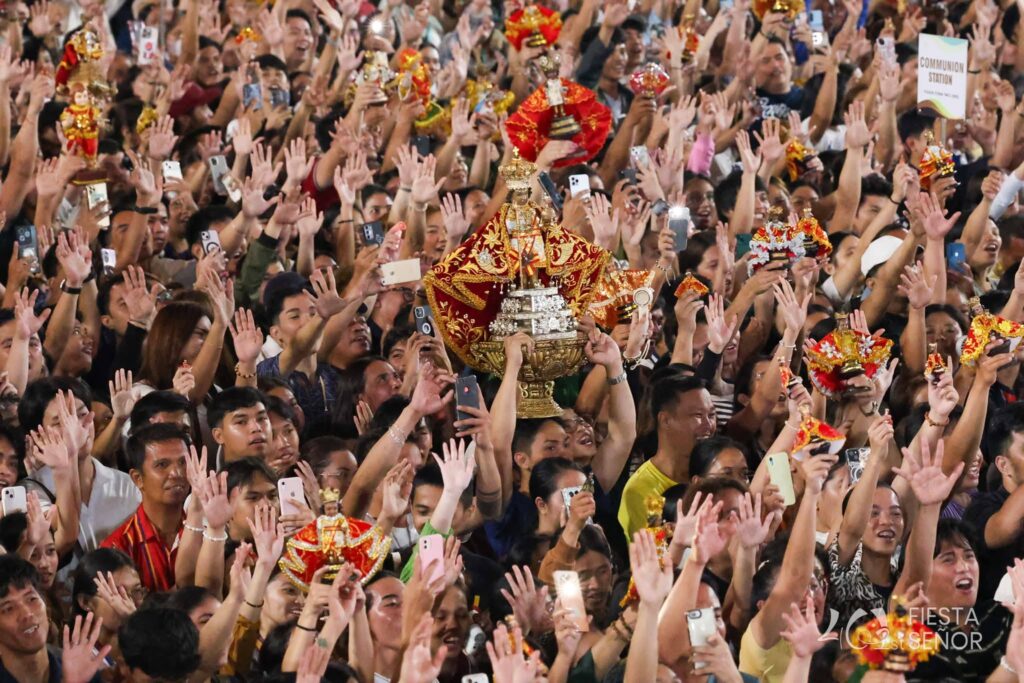
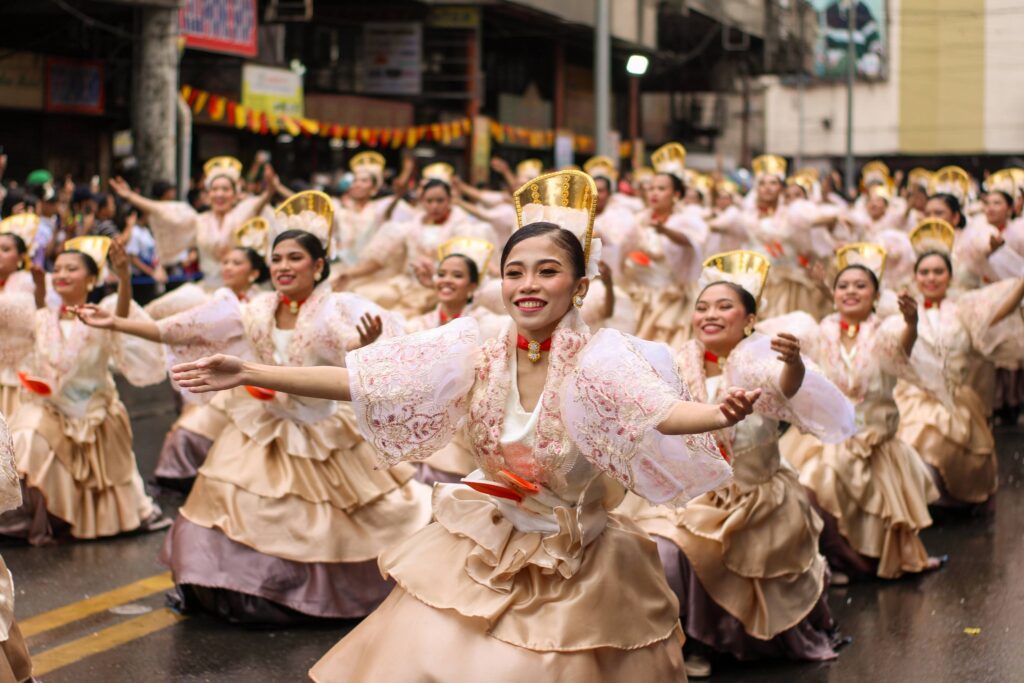
Sinulog is more than a dance; it is a celebration of Cebuano identity and devotion. Streets overflow with color, music, and movement as locals and tourists join in the festivities. The festival remains a powerful reminder of the island’s history, blending the old with the new, tradition with faith, and culture with celebration.