
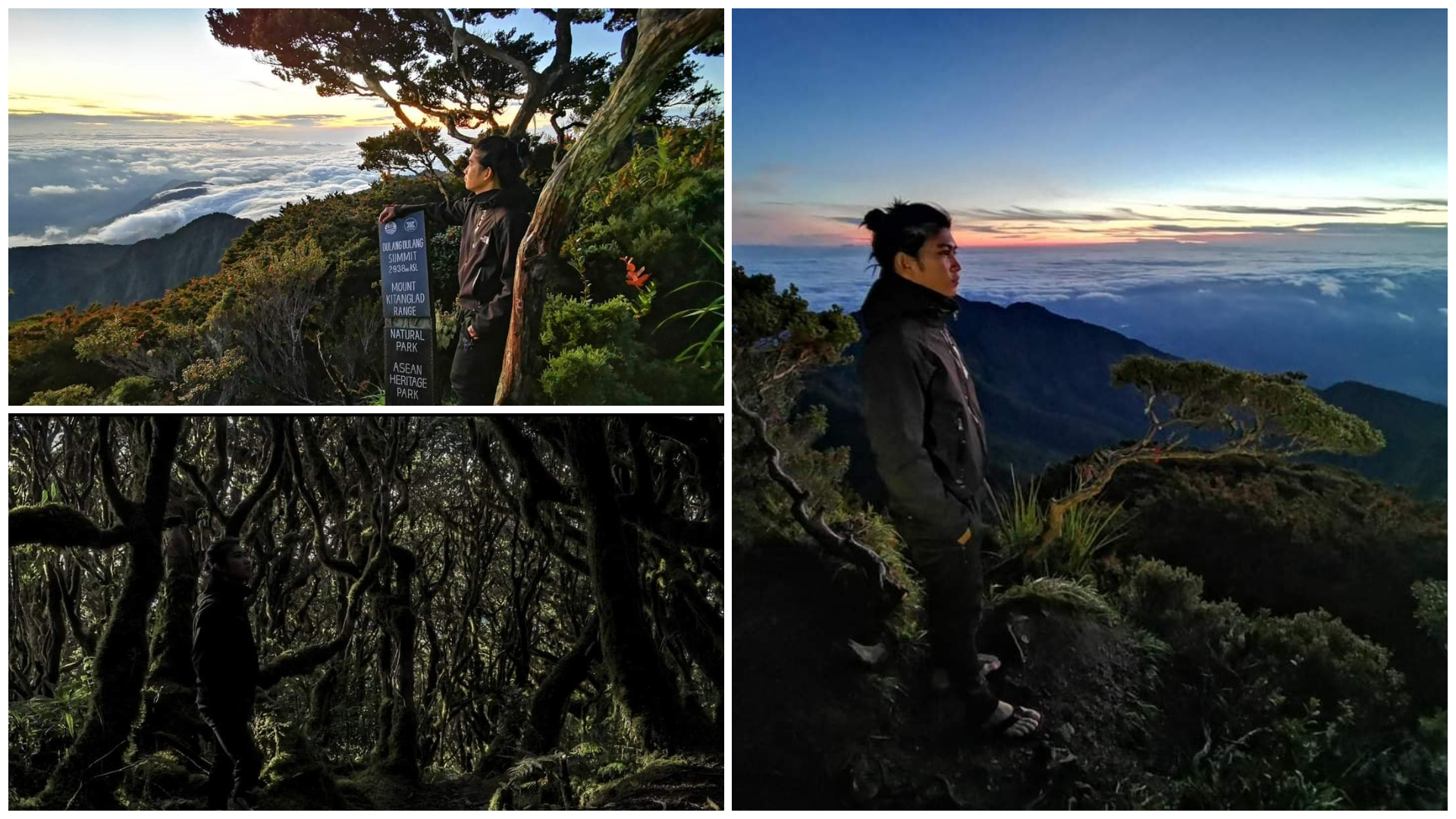
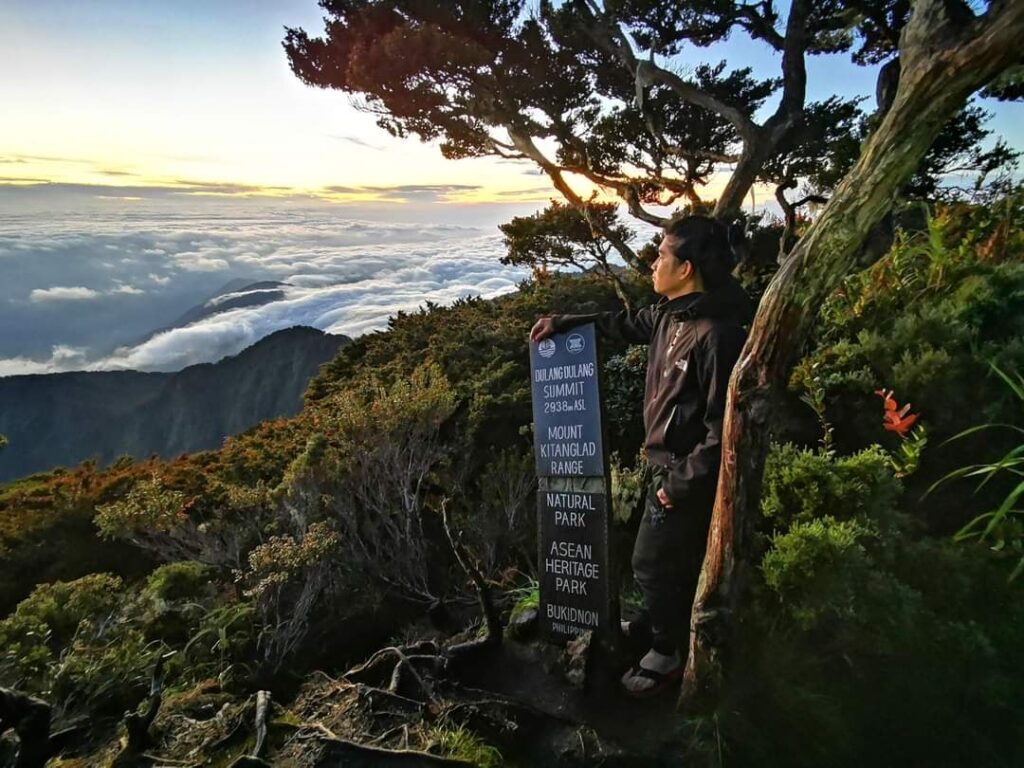
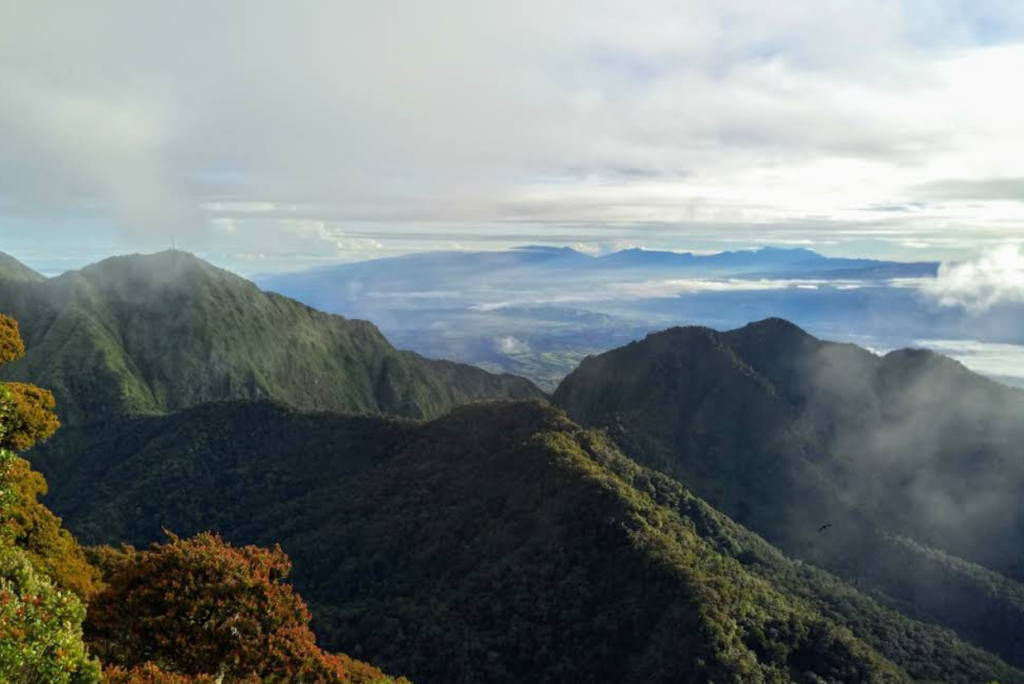
Mount Dulang-Dulang, also called D2 by Filipino mountaineers and Mount Katanglad by locals, rises to 2,938 meters above sea level in Bukidnon’s central highlands. As the country’s second-highest mountain, it offers a challenging trek through lush mossy forests, fern tunnels, and mist-laden trails. Beyond its physical height, the mountain holds cultural and spiritual significance for the Talaandig people, making it a climb of both endurance and respect. For those seeking a unique adventure in Mindanao, read on for the full guide.
Trails and Trekking Routes
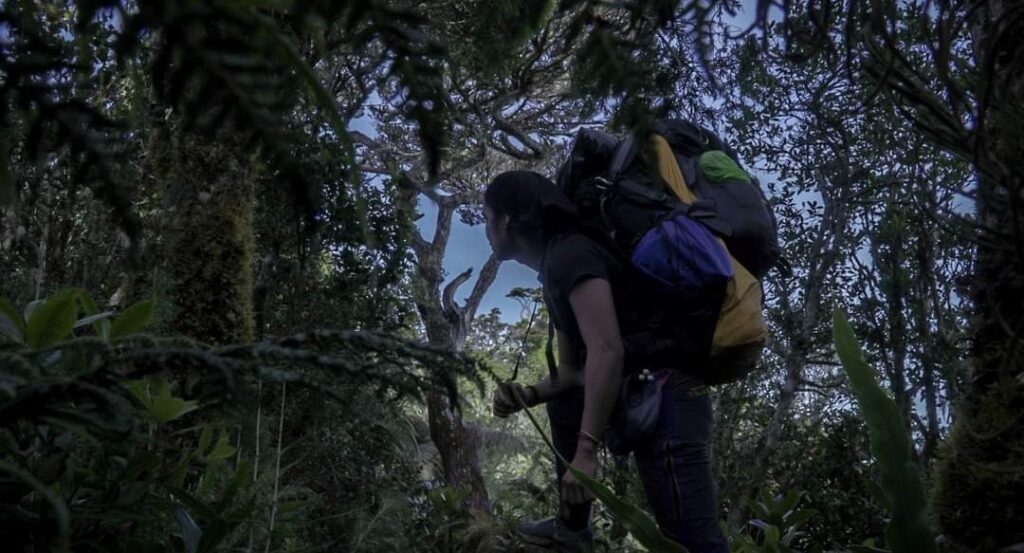
The most commonly used trail starts at Sitio Bol-ogan in Barangay Songco, Lantapan. This route takes hikers through dense rainforest, moss-covered roots, and river crossings before reaching the summit. Treks typically last two to three days, with overnight camps essential for acclimatization. Guides from the Talaandig community are mandatory to ensure safe passage and adherence to cultural protocols.
Flora and Fauna
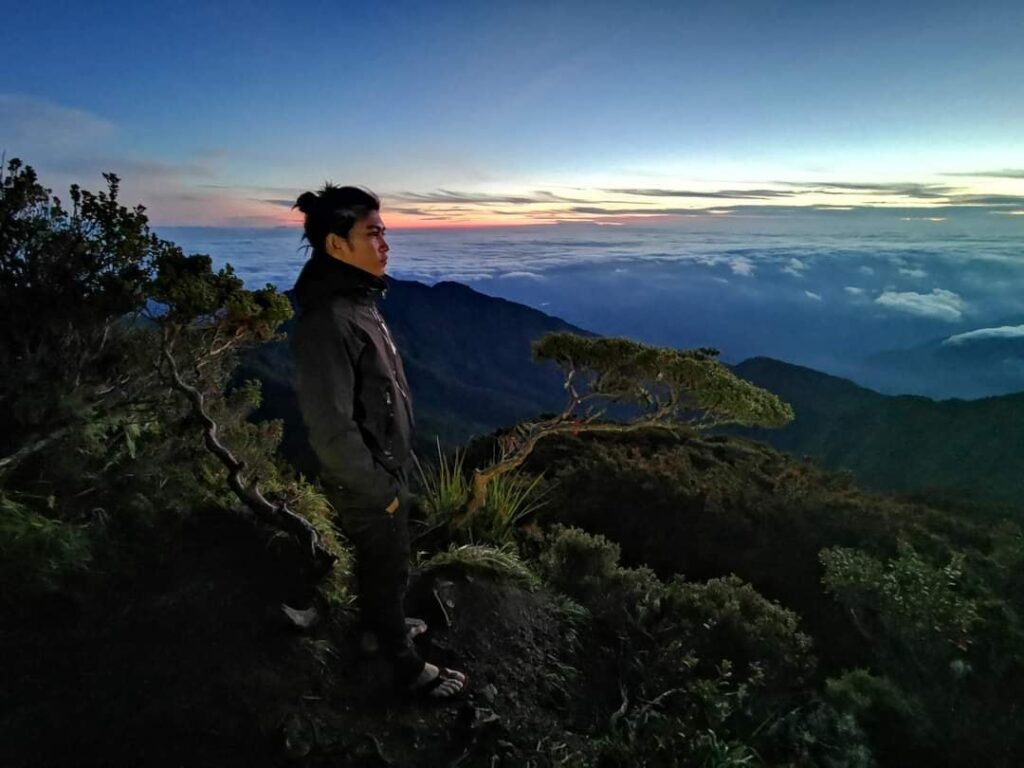
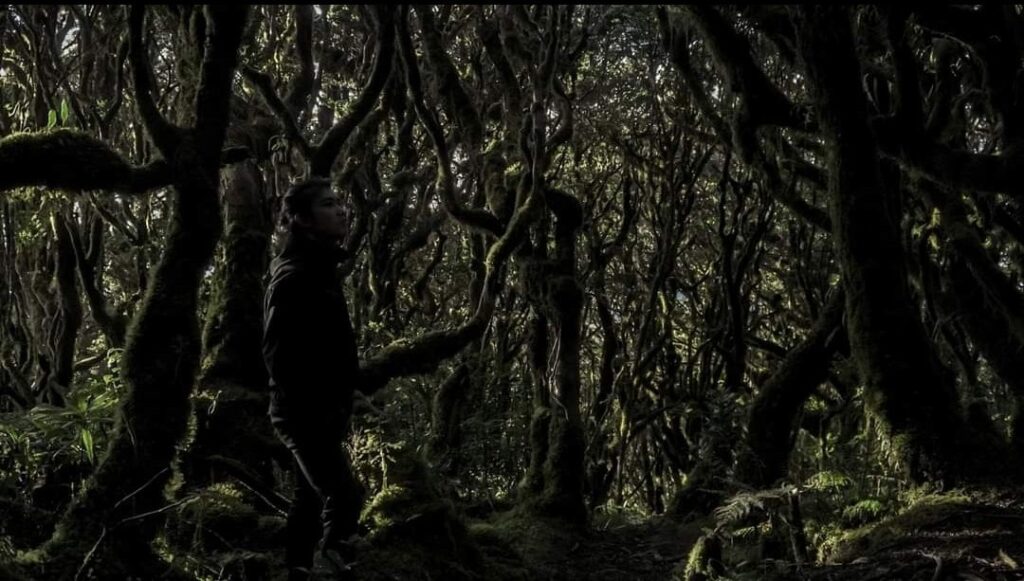
Mount Dulang-Dulang’s cloud forest is home to 58 mammal species, including wild boars, monkeys, and flying lemurs. Birdwatchers may spot the Philippine eagle soaring overhead. The upper slopes host endemic orchids, tree ferns, mosses, and lichens, forming an ecosystem that thrives in cool, humid conditions. Every step through the forest highlights the mountain’s role as a biodiversity stronghold.
Cultural Significance
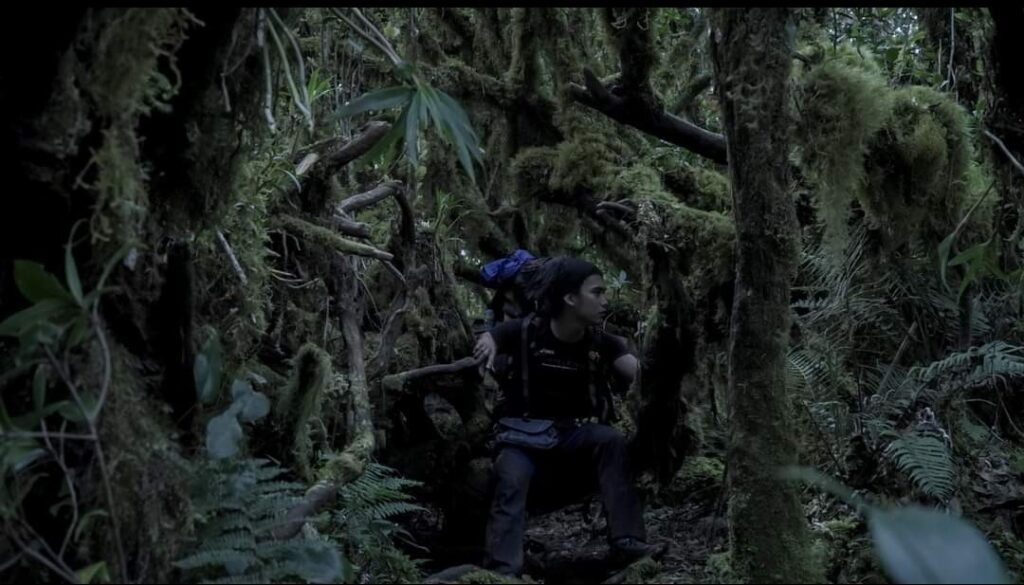
For the Talaandig, Dulang-Dulang is sacred. Climbers are expected to participate in traditional rituals and secure permissions before trekking. The mountain is regarded as the dwelling of ancestral spirits and guardians, and every expedition is a journey through a living heritage site. Observing these protocols ensures harmony with the land and its stewards.
When to Climb
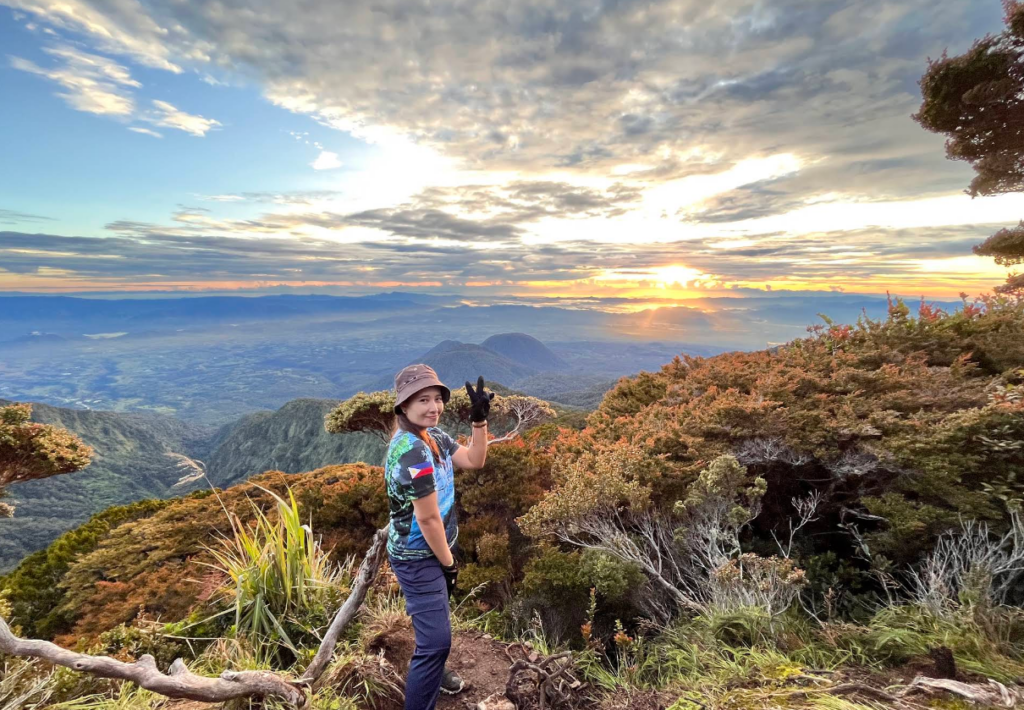
The ideal months to trek are during the dry season from March to May when trails are more stable, river crossings safer, and cloud forest visibility at its best. Rainy months from June to February pose challenges, including slippery paths, swollen rivers, and limited visibility. Regardless of the season, climbers should prepare for sudden weather shifts and cold nights at high elevations.
How To Get There?
Location:Kitanglad Mountain Range in the province of Bukidnon, Mindanao
By Car: From Malaybalay City, drive via the Aglayan-Alanib-Ticalaan Road to Barangay Songco, Lantapan. Travel time is roughly two to three hours depending on road conditions. Park at the designated jump-off site and coordinate with a licensed guide from the Talaandig community for your climb.
By Commute: From Malaybalay City, take a local van or bus heading to Lantapan town proper. From there, hire a habal-habal or tricycle to Sitio Bol-ogan jump-off. All climbs require prior booking with guides and securing permits from the local government and Kitanglad Range authorities.
Fees and Permits
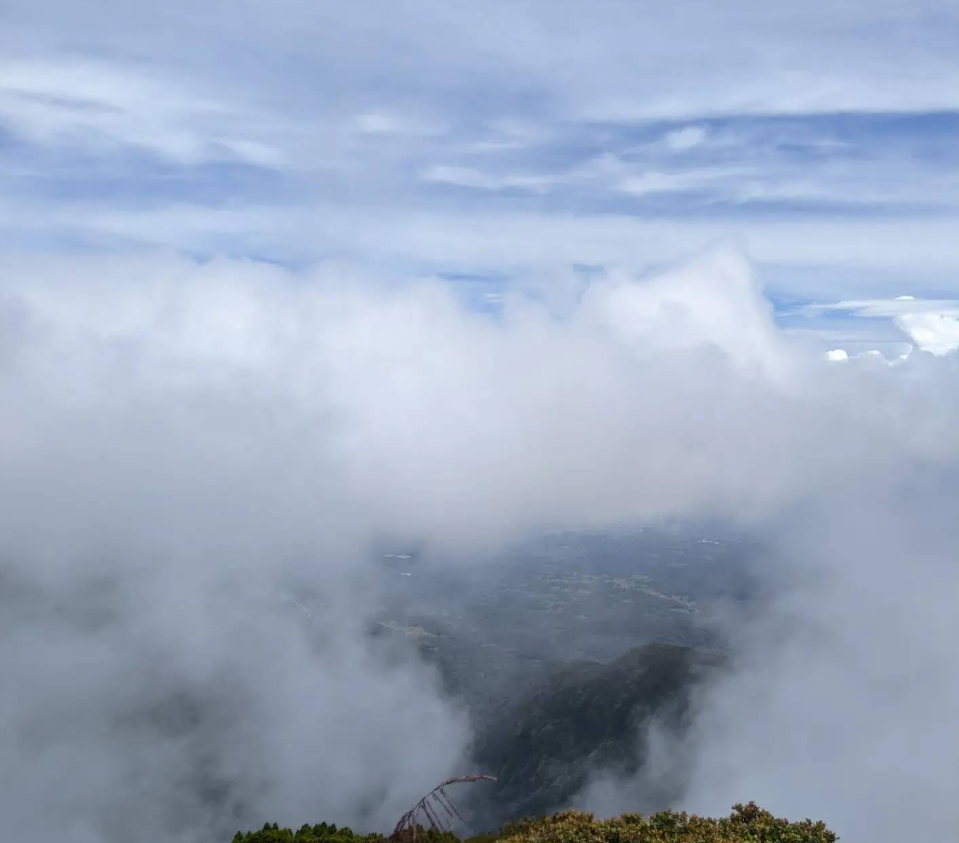
Trekking Mount Dulang-Dulang requires an environmental fee and registration with local authorities. Guides and porters are mandatory and support local livelihoods. Fees may range from ₱2,500 to ₱3,500 per climber for a 2D1N expedition, inclusive of permits and guide services, subject to change.
Packages are available at Php 9,000. The package includes roundtrip van transfers from Malaybalay to Mt. Dulang-Dulang and from Mt. Kitanglad back to Malaybalay, ensuring a smooth and convenient journey throughout the climb. It also covers the processing of all necessary permits, including registration and DENR fees, as well as one night of accommodation at the foot of Mt. Dulang-Dulang. Guests will be assisted by an adventure guide/coordinator and a local guide, with logistics arranged for the Talaandig tribe ritual experience. Camp meals will be prepared as a group, adding a shared and memorable touch to the adventure. This is via Trail Adventours.
Nearby Attractions
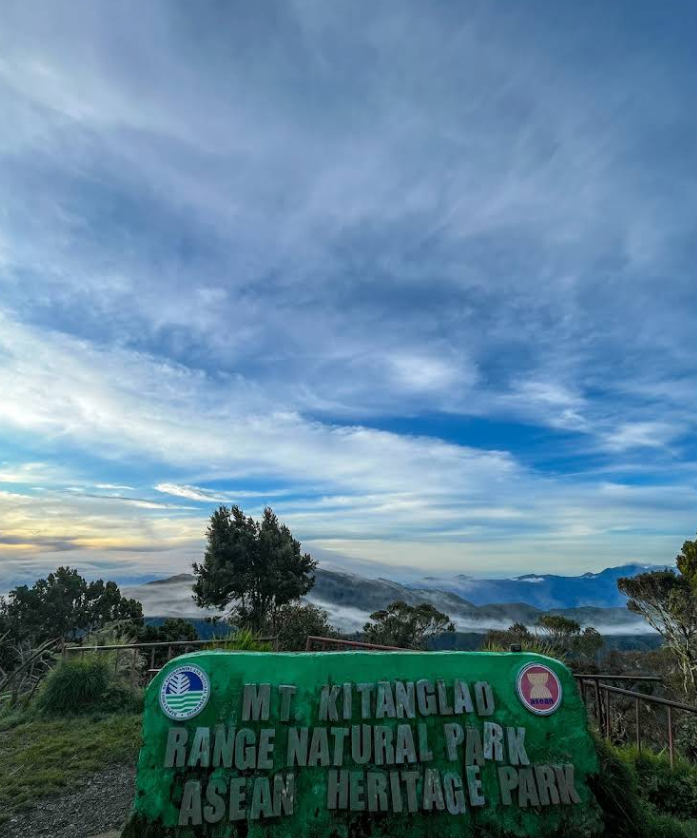
Trekkers can also explore Mount Kitanglad, Mount Maagnaw, and Bukidnon’s highland municipalities like Impasug-ong and Lantapan. For adventure and leisure, Dahilayan Adventure Park and the Bukidnon Communal Ranch offer zip lines, horseback riding, and scenic photography opportunities.
Preparation Tips
Pack warm layers, waterproof gear, sturdy hiking shoes, and trekking essentials. Physical conditioning is crucial for long hours and slippery terrain. Respect Leave No Trace principles, minimize campsite impact, and follow your guide’s instructions to ensure safety and conservation.
Mount Dulang-Dulang is not merely a climb, it is a passage through sacred lands, an encounter with ancient ecosystems, and a lesson in the enduring balance of nature, culture, and adventure.